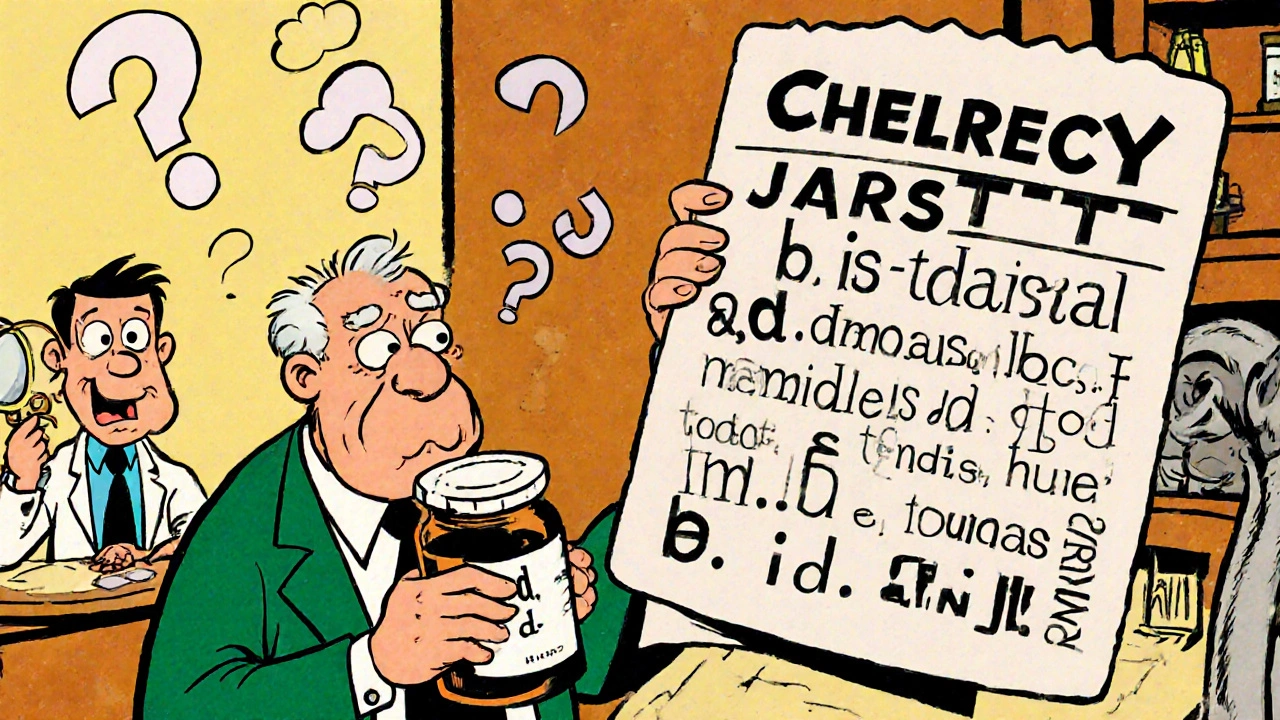
Every pill, patch, or injection you take comes with a label. But how many of you actually read it? Not just glance at it, but really understand what it says? If you’ve ever taken medicine and wondered, ‘Am I taking this right?’ or ‘Why am I even taking this?’ - you’re not alone. Around 68% of patients in the U.S. say they struggle to understand their prescription labels. And worse, 41% admit they’ve taken their medication wrong because of it. That’s not just confusing - it’s dangerous.
What’s on a Prescription Drug Label?
Prescription drug labels in the U.S. follow a strict format set by the FDA. This isn’t just random text slapped on a bottle. It’s a legal document designed for doctors and pharmacists, not patients. The full version, called the Full Prescribing Information (FPI), has 17 sections. Most people never see all of it. But you should know the key parts:- Indications and Usage (Section 1): This tells you what the drug is approved to treat. For example, metformin is for type 2 diabetes. But sometimes, doctors prescribe it for other reasons - like PCOS. That’s called off-label use, and it’s legal, but it won’t be listed here.
- Dosage and Administration (Section 2): This is where you find the dose: how much, how often, and how to take it. Look for phrases like “take one tablet by mouth once daily.” Watch out for abbreviations like “q.d.” (once daily) or “b.i.d.” (twice daily). These are outdated and confusing. Many pharmacies now write out “once daily” instead.
- Contraindications (Section 4): This section says when you should NOT take the drug. If you have kidney failure, certain heart conditions, or are allergic to an ingredient, this is where you’d find the warning. Ignoring this can lead to serious harm.
- Warnings and Precautions (Section 5): This covers risks that aren’t absolute no-gos but still need attention. Examples: “May cause dizziness,” “Avoid alcohol,” or “Monitor liver function.” These are the red flags that can save your life if you notice them.
- Adverse Reactions (Section 6): Lists side effects - the most common ones first. “Nausea” and “headache” are common. “Severe liver injury” is rare but serious. Don’t panic if you see something scary - check how often it happens. If it’s listed as “less than 1%,” it’s uncommon.
- How Supplied / Storage (Section 16): Tells you what the drug looks like (color, shape, imprint), how many pills are in the bottle, and how to store it. Some meds need refrigeration. Others must stay dry. Storing insulin at room temperature for too long can make it useless.
- Patient Counseling Information (Section 17): This is the closest thing to patient-friendly text. It’s meant for pharmacists to use when explaining the drug to you. It’s not on the bottle, but your pharmacist should cover this with you.
What’s on an Over-the-Counter (OTC) Label?
If you bought medicine from the shelf - like Tylenol, ibuprofen, or allergy pills - you’re looking at a Drug Facts label. This is designed for YOU, not a doctor. It’s simpler, clearer, and required by law to follow this format:- Active Ingredient: The chemical that does the work. For Advil, it’s ibuprofen. For Benadryl, it’s diphenhydramine. This is the most important part. If you’re taking multiple meds, you might accidentally double up. For example, cold medicines often contain acetaminophen. Taking Tylenol on top of that can cause liver damage.
- Purpose: What the active ingredient does. “Pain reliever,” “antihistamine,” “decongestant.” This helps you understand why you’re taking it.
- Uses: What symptoms it treats. “Relieves minor aches and pains,” “reduces fever,” “controls runny nose.” If your symptom isn’t listed, the medicine won’t help.
- Warnings: When NOT to use it. “Do not use if you have liver disease,” “Ask a doctor before use if you are pregnant,” “May cause drowsiness.” This is where safety lives.
- Directions: How much and how often. “Adults: Take 2 tablets every 4 to 6 hours. Do not exceed 8 tablets in 24 hours.” Pay attention to the max daily dose. That’s where most overdoses happen.
- Inactive Ingredients: Fillers, dyes, flavorings. If you’re allergic to sulfites or red dye #40, this is where you’ll find it.
What’s on the Bottle Itself?
The pharmacy label on your bottle is your daily guide. It’s the one you actually see when you open the medicine cabinet. Here’s what to check every time you take a pill:- Your full name: Double-check spelling. A mistake here could mean you get someone else’s medicine.
- Drug name: Both the brand name (e.g., Lipitor) and generic name (e.g., atorvastatin). Generic names are the same no matter who makes it. Brand names change.
- Dosage: How strong the pill is. “10 mg,” “500 mg.” Don’t assume all pills of the same drug are the same strength.
- Directions: “Take one tablet by mouth twice daily.” If it says “as needed,” you should know what that means - for pain, fever, or anxiety, for example.
- Date filled: Helps you track how long you’ve had the prescription. Some meds expire quickly after opening.
- Refills: How many times you can get it refilled. If it says “0,” you need a new prescription.
- Pharmacy name and phone: Always keep this. If you have questions, call them. Pharmacists are trained to explain this stuff.
Why Do Labels Confuse People?
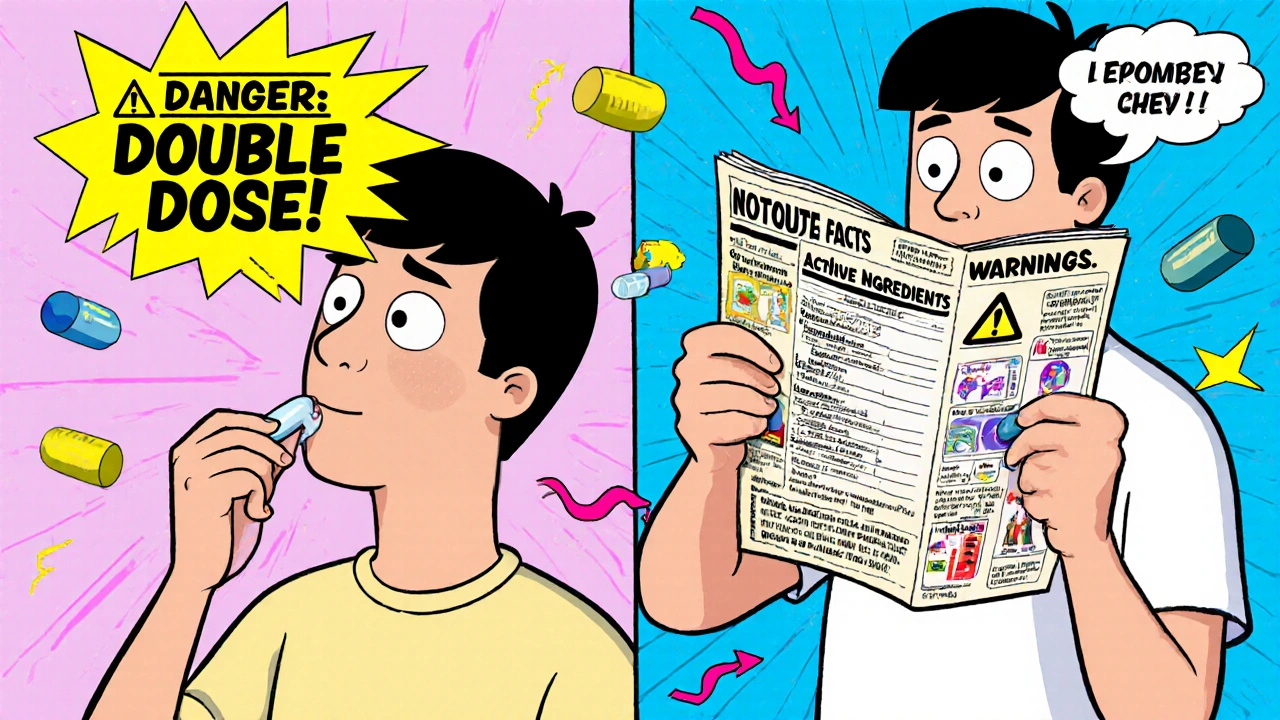
The problem isn’t just small print. It’s design. Prescription labels were built for doctors, not people. They use medical jargon like “bid,” “q4h,” or “PO.” Many patients don’t know what those mean. A 2011 study found only 36% of patients could correctly interpret standard prescription labels. Even nurses admit they struggle. One nurse with 12 years of experience said, “I still have to squint to find the dose on some labels.” Older adults are hit hardest. The Medicare Rights Center found 54% of seniors have trouble reading small print on labels. That leads to missed doses or double-dosing. People with low health literacy - which includes many with chronic illnesses - are at the highest risk. Abbreviations are a huge issue. “q.d.” means once daily. But it looks like “q.d.” and “q.i.d.” (four times daily). A tiny mistake can mean a deadly overdose. The Institute for Safe Medication Practices says confusing abbreviations cause about 15% of labeling-related errors. That’s why hospitals now use “once daily” instead. And then there’s name confusion. Hydroxyzine and hydralazine sound almost the same. One’s for anxiety. The other’s for high blood pressure. Mix them up, and you could have a bad reaction. That’s why some labels now use “tall man lettering” - like PREDNISONE vs. PREDNISOLONE - to make similar names stand out.How to Read a Label Like a Pro
You don’t need a medical degree. Just follow this simple checklist every time you get a new prescription:- Check your name. Is it spelled right? Is it even yours?
- Find the generic name. Write it down. Google it later. You’ll learn what it’s for.
- Confirm the dose. Is it 5 mg or 50 mg? That’s a tenfold difference.
- Read the directions. “Take with food” matters. Some drugs cause stomach upset if taken empty.
- Look for warnings. “Avoid alcohol.” “May cause drowsiness.” “Do not drive.” If it says it, take it seriously.
- Check the expiration date. Expired meds don’t just lose power - some become toxic.
- Ask your pharmacist. Say: “Can you explain how to take this?” or “Why am I on this?” They’re paid to help you.
What’s Changing? The Future of Drug Labels
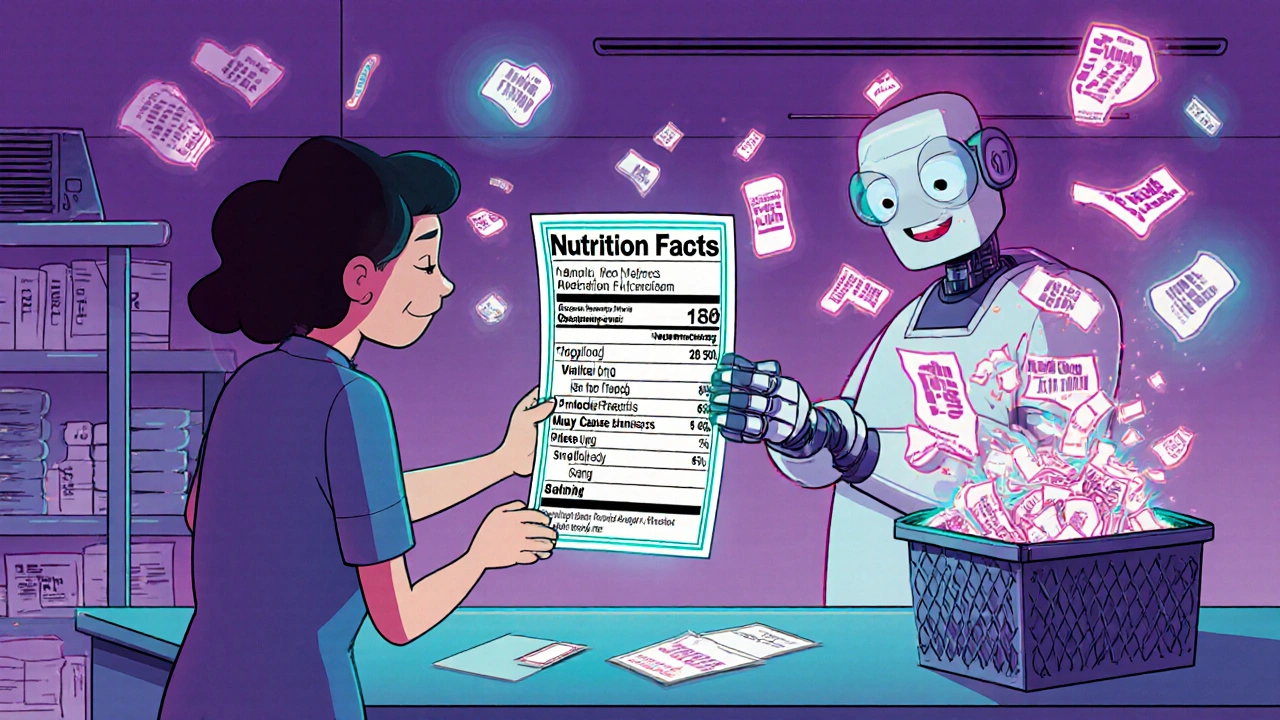
The FDA knows the system is broken. In 2023, they announced a plan to overhaul patient labeling. By 2026, they’ll roll out Patient Medication Information (PMI) - a one-page, standardized document with plain language, clear headings, and visual cues. Think of it like a nutrition label for medicine. They’re also pushing for Instructions for Use (IFU) - step-by-step guides with pictures for complex drugs like insulin pens or injectables. No more guessing how to use your EpiPen. Some pharmacies are already ahead of the game. A 2022 survey found 63% of independent pharmacies now add the reason for the prescription on the label - like “for high blood pressure” or “for migraines.” Why? Because research shows this reduces errors by up to 42%. That’s huge. Biosimilars - cheaper versions of complex biologic drugs - are coming fast. By 2027, they’ll be worth over $33 billion. Their labels will need to clearly compare them to the original drug. That’s new territory.What You Can Do Today
You don’t have to wait for the FDA to fix this. You have power right now:- Always ask your pharmacist to explain the label. No shame in it. They’re trained for this.
- Use a pill organizer. It helps you see if you missed a dose.
- Take a photo of your label. Save it on your phone. You can zoom in later.
- Keep a meds list. Write down every pill, supplement, and herb you take. Bring it to every doctor visit.
- Never assume. If you’re unsure, call the pharmacy. Don’t guess.
Medication errors cause about 7,000 deaths in the U.S. every year. Most of them are preventable. Reading your label isn’t just smart - it’s life-saving. You’re not just taking a pill. You’re managing your health. And that starts with understanding what’s on the bottle.
What’s the difference between brand name and generic drug labels?
The active ingredient is identical. The generic label will list the generic name (like metformin), while the brand label says the brand name (like Glucophage). The dosage, strength, and instructions are the same. The only differences are in the inactive ingredients, packaging, and price. Generics are cheaper and just as safe.
Why do some labels say ‘take with food’ and others say ‘take on an empty stomach’?
Some drugs are absorbed better with food. Others cause stomach upset if taken with food. For example, antibiotics like tetracycline bind to calcium in dairy, making them less effective. That’s why you’re told to take them on an empty stomach. Always follow the label - it’s based on how the drug works in your body.
Can I trust the expiration date on my medicine?
Yes, but with caution. Expiration dates are tested and guaranteed by the manufacturer. After that date, the medicine may lose strength or break down. Some, like insulin or liquid antibiotics, become unsafe. Others, like pills, may still work but less effectively. When in doubt, throw it out. Don’t risk it.
What should I do if my label doesn’t match what my doctor told me?
Call your pharmacy immediately. Mistakes happen - wrong dose, wrong drug, wrong instructions. Don’t take it until you confirm. Keep your doctor’s prescription note handy. If the pharmacy says it’s correct, ask them to call your doctor to verify. Better safe than sorry.
Are there apps that help decode drug labels?
Yes. Apps like Medscape, Epocrates, and MyTherapy let you scan or search a drug name and get plain-language explanations. Some even show side effects, interactions, and storage tips. But don’t replace a pharmacist’s advice with an app. Use apps as a second check, not your only source.
 How to Bring a Caregiver or Advocate to Medication Appointments
 Benzodiazepine Tapering: Safe Strategies to Reduce Dependence
 Medication Safety at Home: A Step-by-Step Guide to Preventing Errors
 Weekend Weight Gain: How to Stop Calorie Creep and Prevent Regain
 Terramycin vs Alternative Antibiotics: Tetracycline Comparison Guide
Sullivan Lauer
November 30, 2025 AT 04:38Man, I used to just grab my pills like they were candy until my grandma nearly went to the ER because she mixed up her blood pressure med with her cholesterol one. I didn’t even know ‘atorvastatin’ was the same as Lipitor until I started reading the tiny print. Now I keep a notebook next to my medicine cabinet-generic names, why I’m taking it, what side effects to watch for. It’s not glamorous, but it’s saved my ass more than once. And yeah, pharmacists? They’re the real MVPs. I call them like I call my therapist-when I’m confused and need someone to talk me off the ledge.
Richard Thomas
December 2, 2025 AT 03:31The structural inadequacy of pharmaceutical labeling in the United States constitutes a systemic failure of health communication infrastructure. The FDA’s reliance on archaic nomenclature-particularly the persistence of Latin abbreviations such as q.d. and b.i.d.-reflects a profound disconnect between regulatory bodies and the cognitive literacy of the general populace. One must question the epistemological validity of a system wherein patient safety is contingent upon the individual’s ability to decode bureaucratic obfuscation rather than being facilitated by transparent, human-centered design.
Matthew Higgins
December 2, 2025 AT 11:08Just saw a guy at the pharmacy trying to read his label with his phone flashlight because the print was so tiny. I didn’t say anything, but I felt that. I get it-labels are made for pharmacists, not people who are tired, scared, or just trying to survive another day. I started taking pics of my labels on my phone. Zoom in, read slow, screenshot the warnings. Now I send them to my mom so she can check them too. Small thing, but it helps. And yeah, I still ask the pharmacist. No shame. They’ve got more knowledge in their pinky than most doctors have in their whole body.
Sara Shumaker
December 4, 2025 AT 05:44This post made me think about how we treat health information like it’s a secret code only the initiated can crack. We’re taught to trust doctors blindly, but we’re never taught how to decode the language they hand us. Why is it that we expect patients to be passive recipients rather than active participants in their own care? The fact that 68% of people struggle with labels isn’t a failure of patient intelligence-it’s a failure of our system to communicate with humanity. We need to stop assuming people are dumb and start designing for them. Labels shouldn’t be legal documents-they should be lifelines.
Scott Collard
December 4, 2025 AT 07:33Stop blaming the labels. People just don’t read. I’ve seen patients ignore ‘take with food’ and then complain about stomach pain. If you can’t read a 12-point font, get glasses. Simple.
Steven Howell
December 5, 2025 AT 21:42The evolution of patient-facing medication information is a critical step toward reducing iatrogenic harm. The FDA’s proposed Patient Medication Information (PMI) standard aligns with evidence-based principles of health literacy, particularly the use of plain language, hierarchical structure, and visual cues. The inclusion of reason-for-prescription on pharmacy labels-currently practiced by 63% of independent pharmacies-is a best practice that should be mandated nationally. Furthermore, the standardization of tall-man lettering for look-alike/sound-alike drugs remains underutilized despite its demonstrated efficacy in reducing medication errors.
Robert Bashaw
December 7, 2025 AT 15:53Let me tell you, I once took a pill that made me feel like a ghost had crawled into my chest and started tap-dancing. Turns out? I mixed up hydralazine and hydroxyzine. One’s for blood pressure, the other’s for anxiety. Sounds like a Shakespearean tragedy written by a pharmacist who’s had one too many coffee breaks. I’m not even mad-I’m just glad I didn’t die. Now I write the reason on my pill bottle with a Sharpie. ‘For anxiety.’ ‘For heart.’ ‘For not dying.’ Simple. Human. No Latin. No mystery. Just survival.
Brandy Johnson
December 7, 2025 AT 16:22Why are we letting pharmaceutical companies and pharmacists dictate how we take medicine? This is America. We should be able to take whatever we want, whenever we want. If you’re dumb enough to read the label wrong, you deserve what you get. Stop coddling people with ‘plain language’ and ‘visual cues.’ People need to grow up and take responsibility. This is why our healthcare costs are through the roof-because we treat everyone like children.