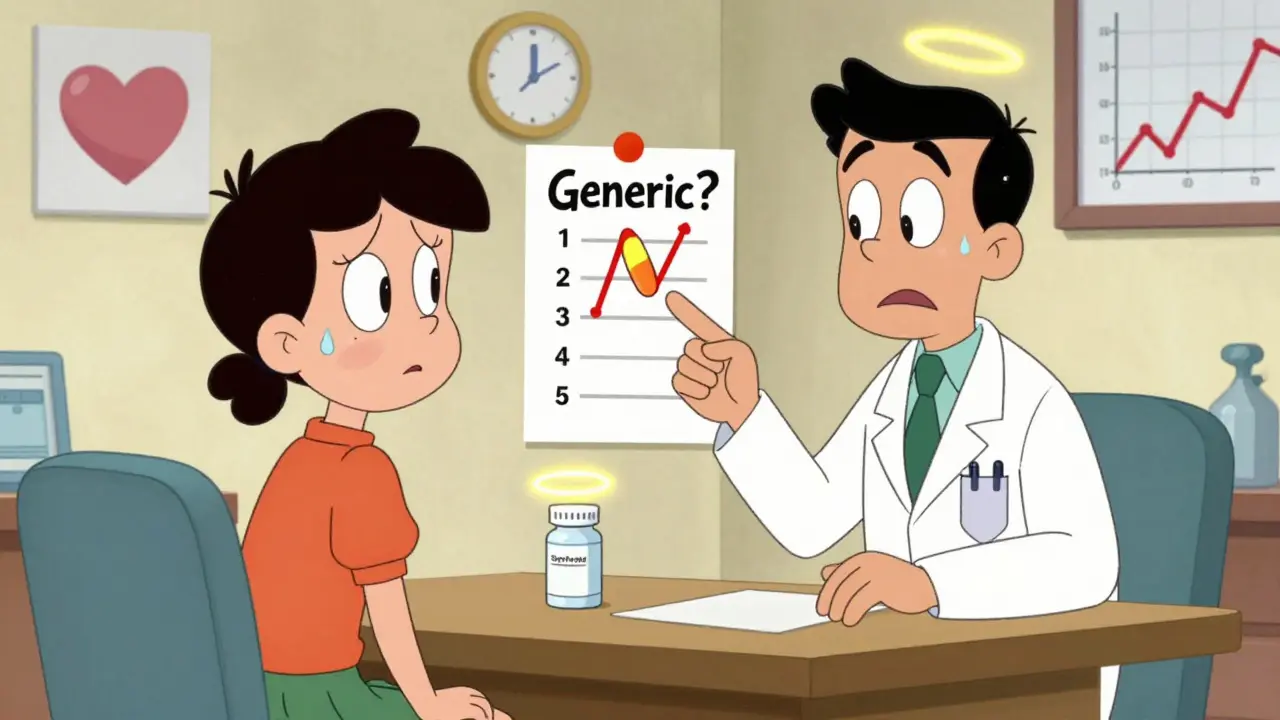
Most people assume that if a drug is available as a generic, it’s just as good as the brand name. And for the vast majority of medications, that’s true. But there are moments - real, clinically important moments - when your doctor might write a prescription that says brand-name only. Not because they’re being expensive, not because they’re influenced by drug reps, but because the science says it matters.
Why Doctors Sometimes Skip Generics
Generic drugs are required by the FDA to be bioequivalent to their brand-name counterparts. That means they must deliver the same active ingredient, in the same amount, at the same rate into your bloodstream. The acceptable range? Between 80% and 125% of the brand’s performance. Sounds tight, right? For most drugs, it is. But for some, even that small wiggle room can mean the difference between control and crisis. Take thyroid medication like levothyroxine (Synthroid). A tiny shift in hormone levels can throw your metabolism off, trigger heart rhythm problems, or make you feel exhausted for weeks. The American Thyroid Association recommends sticking with the same brand because switching between generics - even ones approved by the FDA - can cause measurable changes in TSH levels. One study found that patients switched from Synthroid to a generic had a 30% higher chance of abnormal thyroid hormone levels within six months. That’s not a coincidence. It’s a pattern. The same goes for epilepsy drugs like levetiracetam (Keppra). A 2019 study tracked 1,200 patients who were switched from brand to generic. Twelve point seven percent had breakthrough seizures. Only 4.3% of those who stayed on the brand did. That’s a nearly threefold increase. For someone managing seizures, that’s not a risk worth taking. Anticoagulants like warfarin (Coumadin) are another category where consistency matters. Small changes in blood-thinning levels can lead to dangerous clots or uncontrolled bleeding. While many patients do fine switching, doctors often prefer to keep them on one version - brand or generic - and stick with it. Switching back and forth? That’s where the danger lies.What Makes a Drug a ‘Narrow Therapeutic Index’?
These are the drugs that fall into the NTI category - narrow therapeutic index. They’re not rare. There are about 13 major classes recognized by the FDA and medical societies. They include:- Levothyroxine (for hypothyroidism)
- Warfarin (blood thinner)
- Phenytoin, levetiracetam, carbamazepine (anti-seizure meds)
- Cyclosporine and tacrolimus (organ transplant drugs)
- Lithium (for bipolar disorder)
- Digoxin (for heart failure)
When Generics Aren’t the Same - Even If They’re Approved
You might think: “If the FDA approved it, it’s the same.” But approval doesn’t mean identical. Generics use different inactive ingredients - fillers, dyes, binders, coatings. These don’t affect the drug’s action, but they can affect how your body reacts to it. A patient on ciprofloxacin (an antibiotic) might have no issues with the brand. But switch to a generic made by a different manufacturer, and suddenly they’re getting stomach cramps, nausea, or diarrhea. Why? Because one version uses a different dye or filler. It’s not the antibiotic. It’s the stuff around it. These reactions are rare, but they happen. And when they do, patients often blame themselves - “I must be allergic” - when it’s just the formulation. Some drugs have unique delivery systems too. Advair Diskus, for example, uses a specific inhaler design to ensure the right dose reaches the lungs. A generic version might have the same chemicals, but if the inhaler doesn’t deliver the same way, the effect changes. That’s why some inhalers still come brand-only - not because the active ingredient is different, but because the delivery system isn’t fully interchangeable.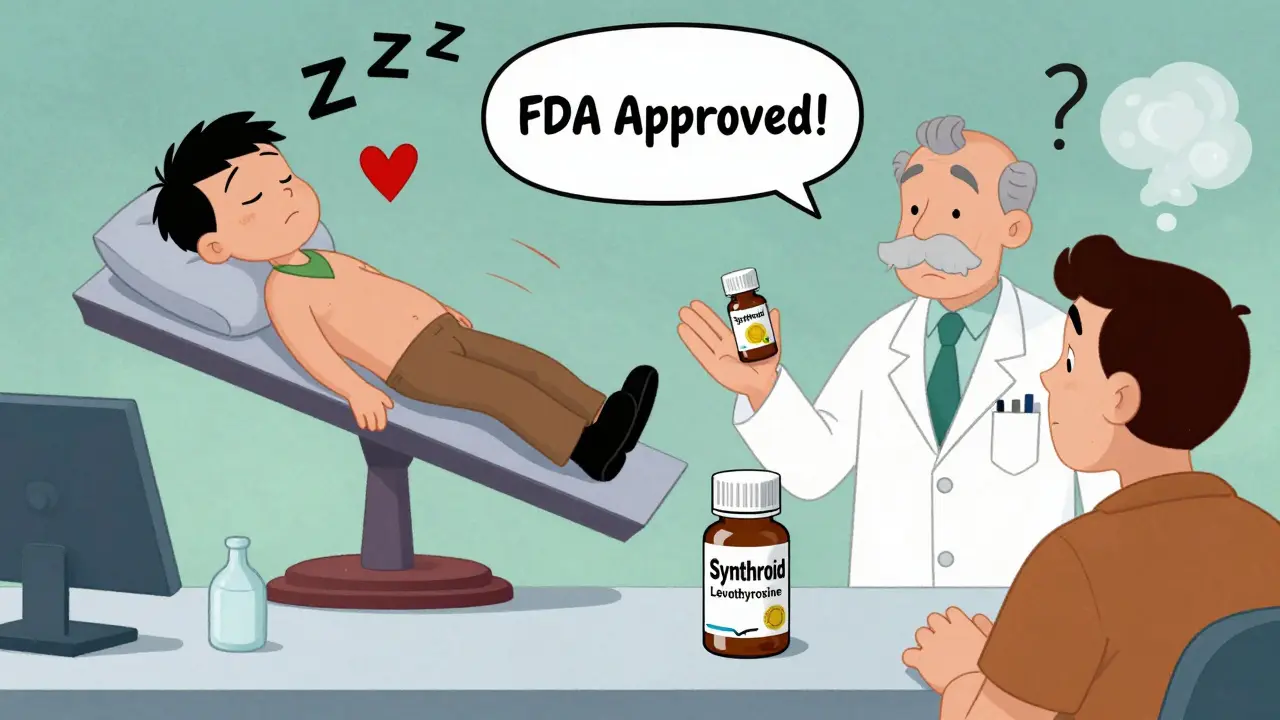
Cost vs. Risk - The Real Math
Generics are cheaper. Like, dramatically cheaper. In 2022, the average cost of a brand-name prescription was $471.67. The generic? $13.76. That’s 97% less. For statins, blood pressure pills, or diabetes meds, the switch saves patients thousands a year. And for most people, it works just fine. But here’s the catch: when a doctor prescribes a brand-name drug for a condition that doesn’t require it - like prescribing Lipitor instead of atorvastatin for high cholesterol - it’s not just expensive. It’s wasteful. Studies show that up to 80% of brand-name prescriptions for non-NTI drugs are unnecessary. And those costs don’t just hit the patient. They ripple through insurance systems, Medicare, and Medicaid. One patient in Perth told me they paid $380 out-of-pocket for a brand-name antidepressant. Switched to the generic? $12. No difference in how they felt. No side effects. Just savings. But another patient switched from Synthroid to a generic and ended up in the ER with a rapid heart rate. Their TSH had jumped 40%. That’s not a fluke. It’s predictable.Insurance and Paperwork - The Hidden Hurdles
If your doctor writes “brand medically necessary,” your insurance doesn’t automatically pay. They’ll require prior authorization. That means your doctor has to fill out forms, sometimes with clinical notes, sometimes with lab results. The average processing time? 72 hours. That’s three days without your medication. And approval isn’t guaranteed. For proton pump inhibitors like omeprazole, only 45% of brand-only requests get approved. For anti-seizure drugs? Almost 90%. Why? Because the evidence is clear. For thyroid or epilepsy meds, the risk of switching is real. For heartburn pills? Not so much. Pharmacists are legally allowed to substitute generics unless the doctor says otherwise. In 49 U.S. states and D.C., they can swap without asking. Only Texas has stricter rules for certain drugs. So if your doctor doesn’t write “do not substitute,” the pharmacy will likely give you the cheaper version - even if you asked for the brand.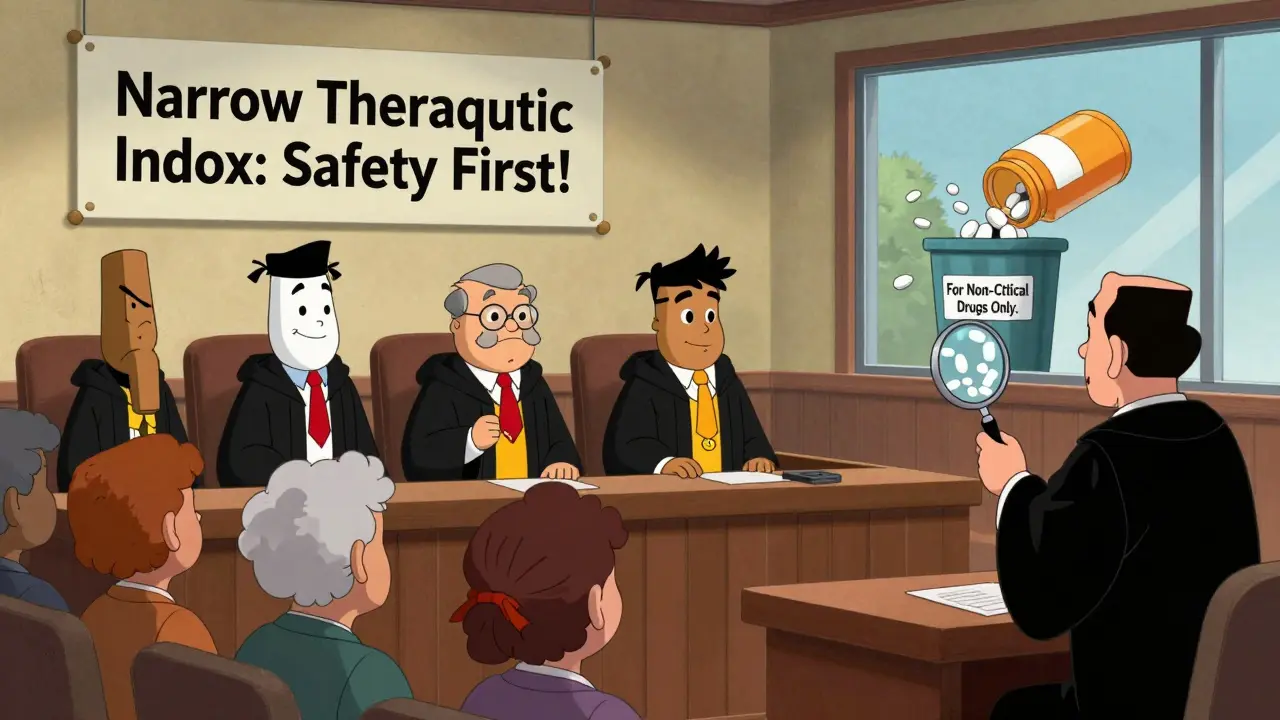
What Patients Say - Real Stories
On Reddit’s r/Pharmacy, a thread from March 2023 had 214 patients sharing their experiences. Of those, 68% said they had negative reactions after switching from Synthroid to a generic. One wrote: “I went from feeling fine to depressed, dizzy, and heart palpitations. Went back to Synthroid. All symptoms vanished in two weeks.” But the majority of patients - 89% - had no issues switching to generics for common drugs like metformin or lisinopril. In fact, many said they saved hundreds or even over a thousand dollars a year. The biggest complaint? Inconsistent generics. One person switched from one generic levothyroxine to another, and their TSH shot up again. Why? Because different manufacturers use different fillers. It’s not the drug. It’s the version.What You Can Do
If your doctor prescribes a brand-name drug:- Ask: “Is this medically necessary?”
- Ask: “Is this for a narrow therapeutic index drug?”
- Ask: “Can we try the generic first, and switch back if needed?”
The Bigger Picture
Generics aren’t inferior. They’re essential. They make healthcare affordable. But medicine isn’t one-size-fits-all. For some drugs, consistency isn’t optional - it’s life-saving. The goal isn’t to ban generics. It’s to make sure they’re used where they work - and to protect patients where they don’t. The FDA, AMA, and leading medical societies agree: brand-name only prescriptions have a place. But that place is small. And it’s based on science - not sales.Can my pharmacist switch my brand-name drug to a generic without telling me?
Yes, in most states, pharmacists can legally substitute a generic unless your doctor specifically writes "do not substitute" or "dispense as written" on the prescription. But they’re not required to notify you unless your state has specific laws. Always check your pill’s appearance and name. If it looks different, ask.
Are all generics the same?
The active ingredient is the same, but the inactive ingredients - like fillers, dyes, and coatings - can vary between manufacturers. For most drugs, this doesn’t matter. But for narrow therapeutic index drugs or patients with sensitivities, switching between generics can cause side effects. If you notice new symptoms after switching generics, talk to your doctor.
Why do some doctors still prescribe brand-name drugs?
Some do it out of habit, familiarity, or because they believe the brand is better. Others are responding to patient requests. But research shows that 80% of brand-name prescriptions for non-critical drugs are unnecessary. Doctors may also not be aware of when a generic became available. A 2021 study found doctors correctly identified generics only 63% of the time.
How do I know if my drug has a narrow therapeutic index?
Common examples include levothyroxine, warfarin, phenytoin, cyclosporine, lithium, and digoxin. If you’re taking one of these, ask your doctor if switching to a generic is safe. The FDA’s Orange Book lists therapeutic equivalence ratings - you can look up your drug there. Your pharmacist can also help you identify if your medication falls into this category.
What should I do if I feel worse after switching to a generic?
Don’t ignore it. Track your symptoms - when they started, what they feel like, how severe they are. Then contact your doctor. You may need to switch back to the original version. For drugs like thyroid or seizure meds, even small changes in blood levels can have big effects. Your doctor may request a blood test to check levels and decide if the generic is the issue.
 Thyroid Medications: Levothyroxine Safety and Monitoring
 JAK Inhibitors: What You Need to Know About Infection and Blood Clot Risks
 Boost Your Immunity and Energy with Bee Pollen: Nature's Miracle Dietary Supplement
 Understanding Drug Labels: A Complete Medication Label Breakdown
 Bupropion and Epilepsy: A Potential Treatment Option?
Weston Potgieter
March 8, 2026 AT 10:15Doctors need to stop being lazy and actually check the lab work before letting pharmacies swap.
Vikas Verma
March 10, 2026 AT 06:34Levothyroxine, warfarin, cyclosporine - these are not commodities. They are precision instruments. Substitution without explicit clinical justification constitutes a systemic risk exposure.
Sean Callahan
March 11, 2026 AT 04:44phyllis bourassa
March 13, 2026 AT 03:39Pharma companies make billions off brand names. They pay doctors. They whisper in ears. They make you think you're special if you get 'the real one'.
And then when someone has a bad reaction? 'Oh, maybe it was the filler.' Like, wow. Groundbreaking.
Meanwhile, people skip doses because they can't afford it. That's the real crisis.
Ferdinand Aton
March 14, 2026 AT 00:06My cousin took generic warfarin for 5 years. No clots. No bleeds. Just saved $18,000.
Stop pretending patients are fragile. We're not lab rats. We're people.
William Minks
March 14, 2026 AT 11:32My mom takes generic levothyroxine. She's 72. Still hikes every weekend.
Science says one thing. Life says another. Maybe the 'risk' is overstated? 🤷♂️
Jeff Mirisola
March 15, 2026 AT 06:25But let’s not pretend this is just about biology.
It’s also about access. If you’re poor, you don’t get to choose 'safety' - you choose 'alive'.
And if your doctor doesn’t fight for you? You’re screwed.
We need better systems. Not more fear. Not more jargon. Just equity.
Tim Hnatko
March 16, 2026 AT 20:16Patients come in confused. Angry. Sometimes crying.
We’re legally allowed to swap. But we don’t always.
If the script says 'brand only' - we hold it.
If it doesn’t? We swap.
And we pray it works.
Because we’re not doctors. We’re just the ones holding the bottle.
Andrew Poulin
March 18, 2026 AT 19:10Lab numbers don’t lie.
TSH jumped 40%.
Same person. Same life.
Only change? Pill color.
Stop pretending it’s not a problem.
Susan Purney Mark
March 19, 2026 AT 19:15Depressed. Cold. Can’t focus.
My doctor didn’t even ask.
Just said 'they’re the same'.
Turns out they’re not.
Thank god I figured it out.
❤️
Ian Kiplagat
March 21, 2026 AT 04:58But we also have the NHS.
So cost isn’t the issue.
It’s about consistency.
If your TSH changes? You go back.
Simple.
Not a battle. Just care. 🇬🇧
Amina Aminkhuslen
March 22, 2026 AT 10:50It’s not. It’s a loophole.
They test on healthy young men.
Not 68-year-old diabetics with kidney issues.
Not people on 7 other meds.
Not the ones who can’t afford to go back.
It’s not science. It’s profit dressed in a white coat.