Levothyroxine Side Effects: What You Need to Know Before Taking It
When you're prescribed levothyroxine, a synthetic form of the thyroid hormone T4 used to treat hypothyroidism. It's one of the most common prescriptions in the U.S., but that doesn't mean it's risk-free. Many people take it for years without issues, but others notice changes they didn’t expect—weight shifts, heart palpitations, trouble sleeping. These aren’t always signs of something wrong, but they’re not normal either. The key is knowing what’s typical and what needs a doctor’s attention.
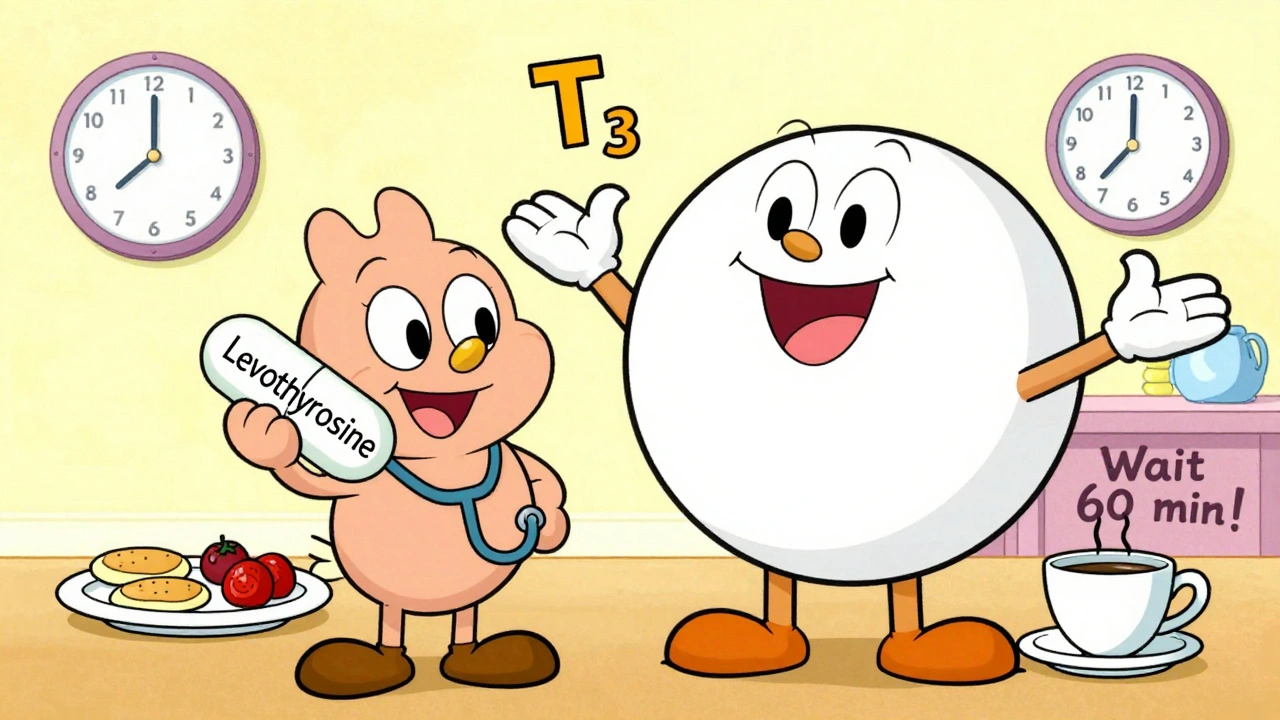
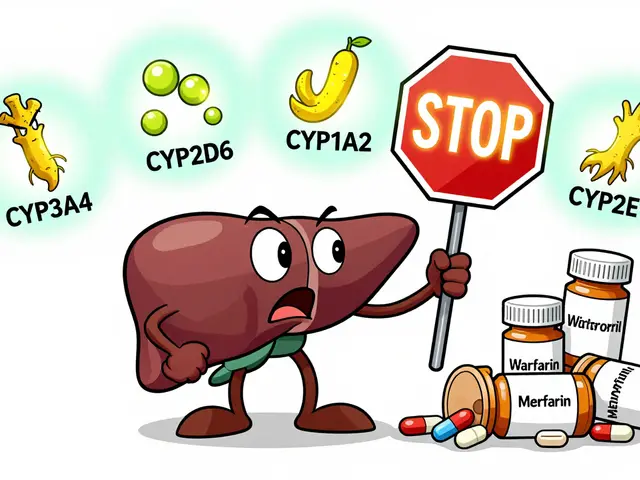
Hypothyroidism, a condition where your thyroid doesn’t make enough hormone is the main reason people take levothyroxine. But your dose isn’t just based on your diagnosis—it’s tied to your weight, age, other health problems, and even what else you’re taking. Drug interactions with levothyroxine, like calcium supplements, iron pills, or even some antacids can block absorption. If you take it with food, coffee, or other meds at the wrong time, your body might not get the full dose. That can make your symptoms come back—or worse, push your dose too high, leading to side effects that feel like hyperthyroidism.
Common side effects? Headaches, nervousness, or trouble sleeping. These often happen when the dose is too high or your body is adjusting. But if you start feeling your heart race, lose weight without trying, or get unusually sweaty, that’s not just "feeling off." It could mean your thyroid levels are too high. And if you have heart disease, even small dose changes can be risky. Older adults are especially sensitive. One study found that seniors on levothyroxine had a higher chance of heart rhythm problems if their TSH levels were pushed too low.
What you might not realize is that levothyroxine isn’t a one-size-fits-all pill. Generic versions are fine for most people, but if you switch brands or pharmacies, your body might react. That’s because tiny differences in fillers or how the pill breaks down can change how much hormone your body absorbs. If you feel different after a refill switch, talk to your doctor before blaming stress or aging.
There’s also the long game. People often stay on levothyroxine for life, but your needs change. Weight gain? Menopause? New meds? All of it can affect your dose. Regular blood tests aren’t optional—they’re how you stay safe. Skipping them because you "feel fine" is how side effects sneak up on you.
Below, you’ll find real stories and practical advice from people who’ve been there. From managing side effects to avoiding dangerous combos with other drugs, these posts give you the no-fluff details you won’t get from a pill bottle. Whether you’re new to levothyroxine or have been on it for years, this collection helps you take control—without guessing.