
The Movement Solution for Chronic Joint Pain
You might think your options for dealing with stiff, painful joints stop at pills or surgery, but that isn't true. According to a 2023 systematic review in the Journal of Orthopaedic & Sports Physical Therapy, structured physical therapy programs yield a 37.6% average reduction in pain scores when compared to standard care alone. That is nearly four out of every ten points of pain gone just through targeted movement. This approach has shifted so much that the World Health Organization identified physical therapy as a cost-effective intervention that reduces healthcare expenditures by $1,200 to $2,500 annually per patient.
The reality is that for many conditions affecting synovial joints, movement is medicine. We aren't talking about walking in place; we are talking about precise protocols established by leading bodies like the American College of Rheumatology. Understanding how to dose these movements correctly can mean the difference between managing symptoms effectively and facing unnecessary surgery.
Understanding Physical Therapy for Joints
Physical Therapy for joint disorders represents a systematic, evidence-based approach to managing conditions. It is distinct from general fitness because it targets specific impairments rather than general wellness. Physical therapy involves therapeutic exercise prescription designed to restore function, reduce pain, and prevent disability across body systems. When you step into a clinic for joint issues, the goal isn't just to feel less pain today, but to maintain independence tomorrow.
Physical Rehabilitation typically follows a phased approach. In the acute phase (0-2 weeks), the focus is on pain control and gentle Range of Motion (ROM). Here, we talk about 0-30 degrees for knee extension deficits. Moving into the subacute phase (2-6 weeks), isometric strengthening at 20-30% max effort begins. Finally, the functional phase (6+ weeks) progresses to dynamic strengthening at 60-80% max effort. This progression ensures you build capacity without triggering inflammation that could set you back.
Range of Motion Protocols
Moving a joint through its full potential space is critical to keeping the cartilage healthy and the capsule flexible. Technical specifications for these interventions follow precise parameters established in evidence-based guidelines. For Osteoarthritis, specifically knee osteoarthritis, the guideline specifies 3 sets of 10-15 repetitions of terminal knee extension exercises performed 5 days weekly. This volume maintains strength at 60-70% maximum voluntary contraction.
A crucial rule to follow is monitoring pain during these sessions. Pain should remain below 3 on the Numeric Pain Rating Scale during exercise. If you hit a 4 or higher, you are likely overdoing it and risking tissue damage. Measurement instruments must include validated tools such as the Hip Disability and Osteoarthritis Outcome Score (HOOS) with minimal detectable change of 8-10 points. This helps clinicians know if your daily changes are statistically significant or just natural fluctuation.
Strengthening Exercises and Dosage
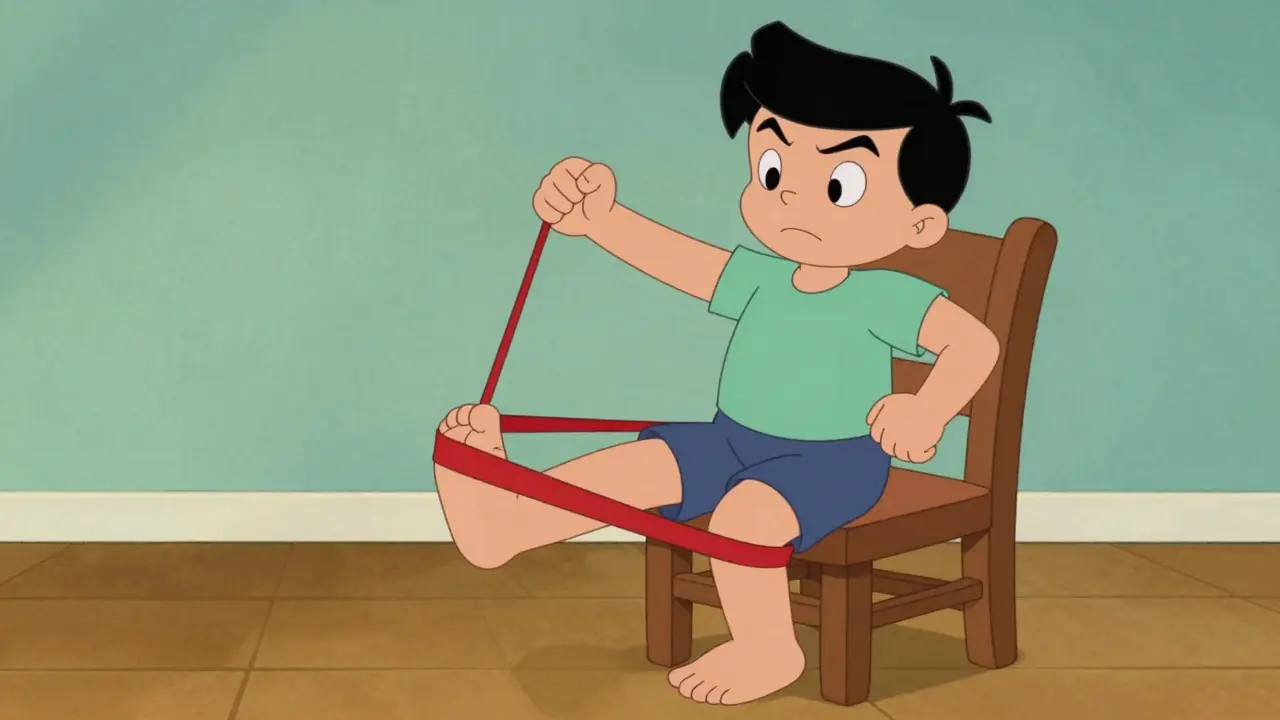
Once mobility improves, stability becomes the priority. Strengthening protocols vary by condition to ensure safety. The 2025 JOSPT Hip Pain and Mobility Deficits guideline recommends hip abductor strengthening at 2.5-5.0 kg resistance for 3 sets of 15 repetitions, three times weekly for hip OA. For patients with Rheumatoid Arthritis, the American College of Rheumatology specifies resistance training at 40-60% one-repetition maximum for major muscle groups twice weekly.
Consistency matters more than intensity here. Critical success factors include adherence monitoring, with a minimum 70% completion rate required for benefit. Progression should be gradual, typically increasing resistance by 0.5-1.0 kg weekly. Documentation must track specific functional outcome measures. For upper extremity issues, the Disabilities of the Arm, Shoulder and Hand (DASH) scale requires a minimum 8-point improvement to consider the treatment successful.
| Condition | Target Muscle Group | Resistance Level | Frequency |
|---|---|---|---|
| Hip Osteoarthritis | Hip Abductors | 2.5-5.0 kg | 3x Weekly |
| Rheumatoid Arthritis | Major Muscle Groups | 40-60% 1RM | 2x Weekly |
| Knee Osteoarthritis | Quadriceps | 60-70% MVC | 5 Days Weekly |
Evidence Supporting Treatment Choices
Why choose this route over medication or waiting for surgery? Comparative analysis reveals distinct advantages of physical therapy over alternative treatments. For sacroiliac (SI) joint dysfunction, a 2022 meta-analysis demonstrated that exercise programs combined with SI joint manipulation achieved 68% pain reduction at 12 months compared to 32% with NSAIDs alone. The number needed to treat was just 2.8 for clinically significant improvement.
In hip osteoarthritis management, a 2023 study published in Arthritis & Rheumatology found that physical therapy yielded equivalent functional outcomes to total hip arthroplasty at 12 months for patients with mild-to-moderate OA. Potentially delaying surgery by 2.7 years on average gives your body time to adapt without the risks associated with invasive procedures. Dr. Susan Goodman, a rheumatologist at Hospital for Special Surgery, stated that 'exercise is now recognized as disease-modifying therapy for RA, not merely symptomatic treatment,' citing evidence showing 23% slower radiographic progression in patients adhering to prescribed exercise regimens.
However, physical therapy shows limitations in advanced joint destruction. When joint space narrowing exceeds 50% on radiographs, exercise therapy provides minimal benefit with an effect size of 0.18. Knowing when to pivot to surgical consultation is part of honest care planning. Prehabilitation physical therapy reduces complication rates after joint replacement by 31% and shortens hospital stays by 1.8 days on average, making even pre-surgery work valuable.
Overcoming Barriers and Access Issues
User experiences documented across multiple platforms reveal both significant benefits and implementation challenges. On Healthgrades, physical therapy for joint disorders maintains a 4.2 out of 5 average rating from 14,852 reviews, with 68% of patients reporting 'significant improvement in daily function' within 8 weeks. Despite this, negative experiences frequently reference inadequate insurance coverage. About 58% of critical reviews on Yelp mention 'therapy session limits imposed by insurers' as a barrier to optimal outcomes.
Rural access remains a significant hurdle. A 2022 survey by the Arthritis Foundation found that 33% of patients discontinued physical therapy prematurely due to transportation barriers, with rural patients 2.4 times more likely to discontinue than urban counterparts. However, APTA's 2024-2026 roadmap prioritizes telehealth expansion, with new billing codes effective January 2025 enabling reimbursement for remotely monitored exercise programs. These wearable sensors now require an accuracy threshold of 85% for movement tracking to be reimbursable.

Future Developments in Joint Care
Current developments focus on personalization and technology integration. The 2025 JOSPT Hip Osteoarthritis guideline introduces machine learning algorithms to predict individual response to specific exercise protocols with 83% accuracy based on baseline HOOS scores, BMI, and radiographic severity. Long-term viability appears strong as CMS expands coverage for maintenance physical therapy for chronic joint disorders starting in 2026.
This expansion includes projections indicating a 35% increase in covered sessions for patients with progressive joint conditions. However, challenges remain in standardizing care delivery. A 2024 JAMA Network Open study found 63% variability in exercise prescription patterns across different practices for identical knee OA presentations. Patients should advocate for their care plans by asking for specific metrics, such as weight increases or repetition counts, rather than accepting generic advice.
Frequently Asked Questions
Does physical therapy really stop arthritis progression?
For Rheumatoid Arthritis, yes. Evidence shows 23% slower radiographic progression in patients who adhere to prescribed exercise regimens, though results vary for osteoarthritis depending on the severity of joint space narrowing.
How much does physical therapy cost without insurance?
Costs vary widely by region, but the World Health Organization notes it saves healthcare systems money overall. Direct costs depend on your insurer, but Medicare data shows lower total episode costs for patients receiving physical therapy before joint replacement surgeries.
Can I do these exercises at home safely?
Yes, provided the protocol is individualized. Generic exercise prescriptions without proper assessment yield only 12-15% response rates, whereas individualized protocols achieve 65-70% success, often supported now by telehealth monitoring tools.
When should I expect to see improvements?
Most patients report significant improvement in daily function within 8 weeks. Initial pain exacerbation may occur during the first 2 weeks, which is common but should decrease as conditioning improves.
Is aquatic therapy better than land-based therapy?
Aquatic therapy is highly effective for load-bearing joints. Water temperatures should be 33-36°C with sessions lasting 30-45 minutes three times weekly. It reduces impact while allowing for high-resistance movement.
Taking Action for Your Joints
If you are considering this path, start by assessing your current mobility limitations honestly. Document your baseline function using tools like the Six Minute Walk Test, where a clinically significant improvement is defined as gaining 34 meters. Work with a professional who understands these metrics. Don't accept a generic workout plan. Ensure your provider tracks progress with objective measurements like strength percentages and range of motion degrees.
Your journey to better joint health doesn't have to be intimidating. By following evidence-based protocols and staying consistent with dosage and frequency, you can reclaim function and reduce reliance on medications. Whether you are dealing with early-stage stiffness or preparing for recovery, understanding the mechanics behind the healing process empowers you to take charge of your musculoskeletal health.
 Levofloxacin for Anthrax: What You Need to Know
 How to Use Blister Packs and Pill Organizers to Prevent Medication Mistakes
 Formulation Differences and Side Effects: Tablets, Capsules, and Extended-Release Medications
 Diabetic Kidney Disease: How Early Albuminuria Signals Risk and Why Tight Control Saves Kidneys
 Bean Pod Supplements: Science-Backed Benefits for Better Health and Wellness (2025 Guide)
Tommy Nguyen
March 26, 2026 AT 15:27really glad this is getting attention movement is key honestly
walker texaxsranger
March 27, 2026 AT 13:18People ignore the hidden costs involved in these programs. Insurance dictates therapy plans tightly for most patients. Therapists lose flexibility under these bureaucratic rules. Patients receive generic advice often instead of custom care. Technology tracks data secretly though without consent. Companies harvest health stats for pure profit reasons. Privacy gets lost in the process easily during collection. Algorithms decide treatment success metrics independently. Clinicians struggle against this system daily in practice. Independent practice faces heavy fines too frequently now. Surgeries push higher revenue streams for hospitals. Profits matter more than healing bodies actually today. Guidelines shift based on funding sources quietly. Research is biased towards drug sales now mostly. True wellness requires ignoring these charts completely.
Eva Maes
March 29, 2026 AT 08:27the metrics cited here are laughably optimistic for average consumers dealing with chronic inflammation levels that defy textbook progression timelines and the suggested dosage ignores individual metabolic variances significantly
Sarah Klingenberg
March 30, 2026 AT 23:22it is nice to see people prioritizing non invasive options for joint care and i hope everyone finds relief through consistent effort :)
Shawn Sauve
March 31, 2026 AT 17:53respectfully agreeing that consistency beats intensity in these scenarios and safety always comes first for sure :)
Monique Louise Hill
March 31, 2026 AT 21:12Stop making excuses and move your body immediately 🙄💢⚠️
Richard Kubíček
April 1, 2026 AT 12:58we must look at the broader context of how healthcare systems fail patients who cannot afford premium rehabilitation services yet face high barriers to entry for basic telehealth access which leaves many behind in the rural areas mentioned in the report
Paul Vanderheiden
April 1, 2026 AT 17:43yeah that is such an important point about access issues and cost being a huge barrier unfortunately but maybe things improve with time
Kameron Hacker
April 3, 2026 AT 04:33the philosophical underpinning of preventive care remains undervalued by policy makers who prioritize acute intervention rather than longitudinal health management strategies required for sustainable population wellness