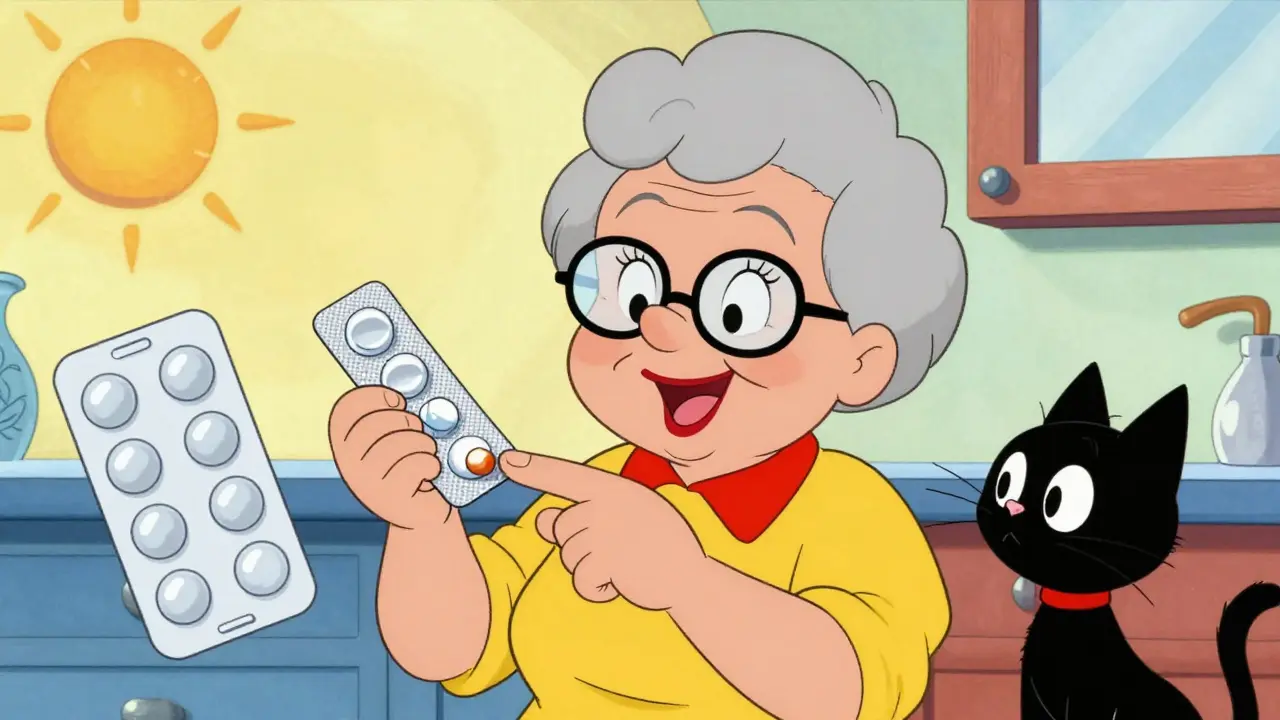
Medication mistakes are more common than most people realize. A 2022 study found that 50% of people with chronic illnesses miss doses, take the wrong pill, or take too much - and many of these errors lead to hospital visits. For older adults juggling five or more medications, the risk is even higher. But there’s a simple, proven solution: blister packs and pill organizers. These tools don’t just make life easier - they save lives.
What Blister Packs Actually Do
Blister packs are not just fancy pill bottles. They’re pre-filled, sealed strips of plastic with individual compartments, each labeled with the day and time of day - morning, noon, evening, bedtime. Each dose is locked in its own bubble, so you can’t accidentally grab the wrong pill. The packaging is tamper-evident, and most now include clear printing of the drug name, dosage, and instructions.
Unlike traditional vials, blister packs remove the guesswork. You don’t have to count pills, read tiny labels, or remember if you took your 8 a.m. dose. You just look at the pack. If the bubble is still sealed, you haven’t taken it. If it’s popped, you have. It’s visual, immediate, and impossible to ignore.
A 2022 study tracked 180 patients with high blood pressure. Those using blister packs had an 87.4% adherence rate - compared to just 64.3% for those using regular bottles. That’s a 23-point jump in getting medication right. Even better, caregivers reported a 42% drop in medication errors at home, especially for people with memory issues.
How Pill Organizers Work - and Where They Fall Short
Pill organizers are simpler: a plastic box with compartments for each day, sometimes split into morning, afternoon, and night slots. They’re cheap - you can buy one for under $10 online - and easy to find in pharmacies.
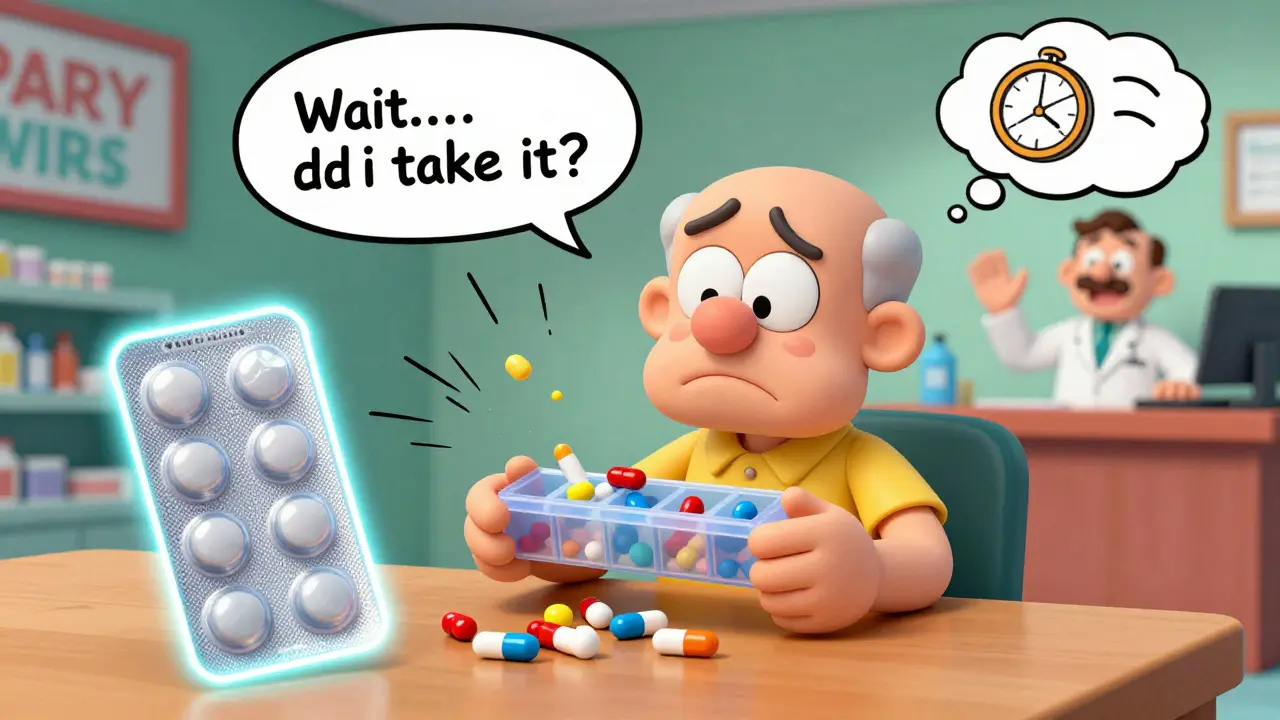
But here’s the catch: they only work if you fill them correctly. And that’s where mistakes happen. One caregiver on AgingCare.com shared how her dad with dementia kept taking extra doses because he thought he’d missed one. He was filling his own organizer. He didn’t remember if he’d already taken his pill - so he took another. Again. And again.
A 2021 study of arthritis patients showed that even the best 7-day organizers with multiple slots only improved adherence by 18%. That’s better than nothing, but nowhere near the 28% improvement seen with blister packs. Why? Because pill organizers rely on manual labor. You have to sort pills, count them, and fit them into tiny slots. If you have shaky hands, poor eyesight, or arthritis, it’s easy to mess up.
Why Blister Packs Win for Complex Regimens
If you’re taking four or more medications daily - especially with different times, strengths, or instructions - blister packs are the only real choice. Here’s why:
- They’re pre-filled by a pharmacy. No counting. No guessing.
- Each dose is sealed. You can’t accidentally mix up blood pressure pills with diabetes meds.
- They’re labeled clearly. No more squinting at tiny print.
- They’re designed for long-term use. A typical pack covers 7 to 14 days.
Pharmcare USA’s 2023 data shows blister packs reduce medication errors by 67% compared to traditional vials. That’s not a small number. That’s life-changing.
One user in Seattle, caring for her 82-year-old mother, said switching to blister packs cut missed doses from 3-4 per week to just 1-2 per month. Her mom could see at a glance what was left. No more confusion. No more anxiety.
When Blister Packs Don’t Work
Blister packs aren’t perfect. They have limits.
First, they can’t handle medications that need refrigeration - like insulin or certain antibiotics. If your doctor prescribes one of these, you’ll still need a separate fridge-safe system.
Second, if your meds change often - say, your doctor adds or removes a drug every few weeks - blister packs become a hassle. Each change means a whole new pack. Some pharmacies now offer “flex packs” that let you swap out single doses without repacking everything, but not all do.
Third, some people struggle to open them. If you have arthritis or weak hands, those little bubbles can feel like tiny locks. The good news? Easy-open blister packs exist. They have perforated edges or special tabs. Ask your pharmacy for them.
How to Get Started
Getting blister packs isn’t hard - but it does take a few steps.
- Call your pharmacy. Not your local CVS or Walgreens - ask for a specialty pharmacy that does custom blister packing. Many Medicare Advantage plans cover this service at no extra cost.
- Bring a full list of all your medications - including vitamins, supplements, and over-the-counter pills. Even aspirin counts.
- They’ll review your regimen, check for interactions, and create your personalized pack. Setup takes 3-5 business days.
- Ask for a visual guide. Most pharmacies now include pictures showing how to open and take each dose.
- Set up a weekly check-in with a caregiver or family member. Just 10 minutes a week helps catch issues early.
Cost? It varies. Basic weekly pill organizers cost $4-$13. Custom blister packs run $1.50-$3.50 per day - so a 30-day supply might cost $45-$105. But many insurers cover it entirely. Medicare Advantage plans cover it for 68% of eligible users. Long-term care facilities save over $12 per resident per day by using them - because fewer errors mean fewer ER trips.
What’s New in 2026
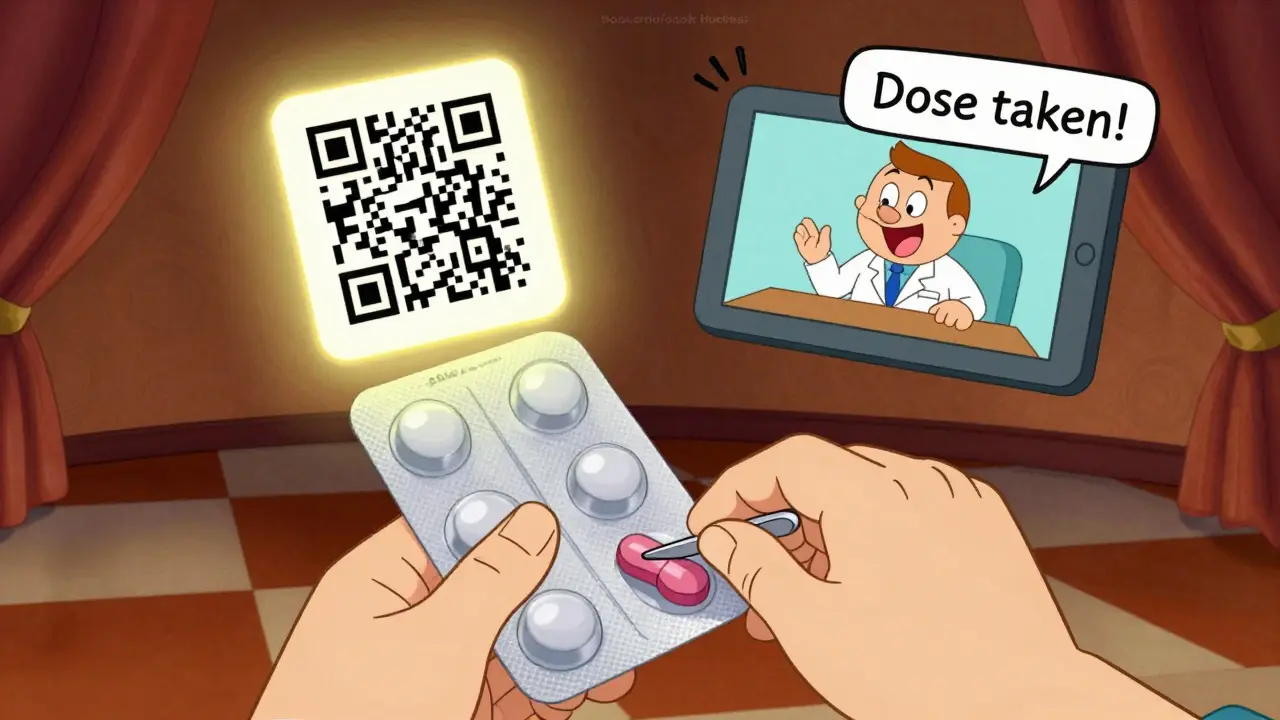
Technology is catching up. In March 2023, the FDA approved the first blister packs with QR codes. Scan the bubble with your phone, and it plays a short video explaining what the pill is for and why you take it. No more wondering why you’re taking that little white tablet.
Smart blister packs now exist too. AdhereTech’s version has sensors that track when you open each dose. If you skip a dose, it sends a text to your caregiver. In a 120-person pilot, adherence jumped by 37%.
By 2025, experts predict over 45% of Medicare beneficiaries will use blister packs - up from just 29% in 2023. Why? Because the evidence is overwhelming. Fewer mistakes. Fewer hospital stays. More independence.
Real Stories, Real Results
A survey of 1,247 caregivers in 2023 found:
- 89% saw fewer medication errors after switching to blister packs.
- 82% said there was less chance of taking the wrong pill.
- 78% said it was easier to check if a dose was missed.
One man in Michigan, who used to go to the ER every few months for a bad reaction to his meds, hasn’t been back in 18 months since his family switched him to a blister pack. His doctor says it’s the clearest example of adherence improvement they’ve seen.
Final Advice
If you or someone you care for takes multiple medications daily - especially if there’s memory loss, confusion, or a history of missed doses - don’t wait. Blister packs aren’t a luxury. They’re a safety net.
Pill organizers are fine for simple routines - one pill a day, maybe two. But for anything more complex, blister packs are the only system proven to cut errors, prevent overdoses, and give peace of mind.
Ask your pharmacist today. Bring your pill bottle list. Ask if your insurance covers it. And don’t be afraid to ask for easy-open packs if your hands aren’t what they used to be. This isn’t about convenience. It’s about staying safe, healthy, and in control.
Can I use a pill organizer instead of a blister pack?
You can, but only if you take one or two medications daily and have no memory issues. For anyone on four or more pills, especially with different times of day, pill organizers are too risky. They require manual filling, which leads to errors. Blister packs are pre-filled by pharmacists and cut medication mistakes by 67% compared to vials and organizers.
Are blister packs covered by insurance?
Yes, many Medicare Advantage plans cover custom blister packs at no extra cost. Medicaid and some private insurers do too. Ask your pharmacy - they’ll check your coverage. Even if you pay out-of-pocket, it’s often cheaper than one ER visit. A 30-day blister pack costs $45-$105, while a single hospitalization for a medication error can cost over $15,000.
What if I can’t open the blister pack?
Many pharmacies now offer easy-open versions with perforated edges or special tabs. You can also ask for a blister pack opener - a small plastic tool that pops the bubbles without needing strength. Over 20% of users with arthritis report difficulty, but 68% say easy-open packs solved the problem. Don’t struggle - ask for help.
Do blister packs work for people with dementia?
Yes - they’re one of the best tools for dementia patients. Because each dose is sealed and labeled, there’s no confusion about whether a pill was taken. Caregivers report a dramatic drop in accidental double-dosing. One study showed emergency room visits dropped to zero in 18 months after switching to blister packs. The visual cue - seeing empty bubbles - is far more reliable than memory.
Can I switch back to regular bottles if I don’t like blister packs?
Yes, you can always switch back. But consider this: if you’re taking multiple medications, the risk of a mistake is high. Blister packs are backed by over 20 years of research showing fewer errors, fewer hospitalizations, and better health outcomes. If you’re unsure, try a 30-day trial. Most pharmacies will let you test it. The safety benefit is real.
 Cranberry Products and Warfarin: What You Need to Know About Bleeding Risk
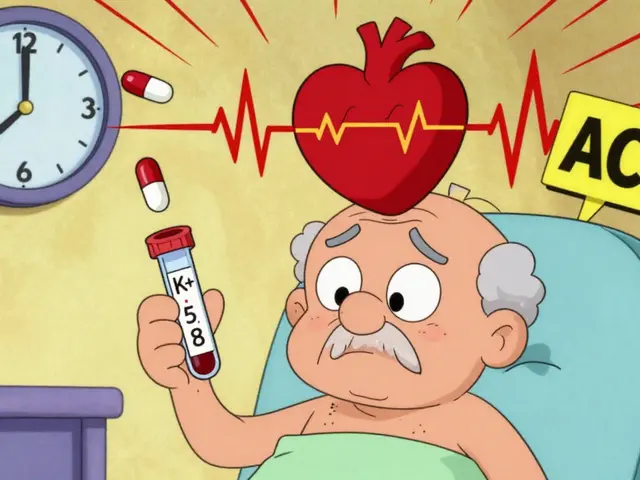 ACE Inhibitors with Spironolactone: Managing the Hyperkalemia Risk
 How to Buy Online Cheap Generic Claritin Safely in Australia
 Compare Inderal (Propranolol) with Alternatives: What Works Best for Anxiety, Heart Conditions, and Migraines
 Understanding Anemia: Causes, Symptoms, and Treatments
Natasha Rodríguez Lara
March 24, 2026 AT 08:25I never thought about how much stress pill organizers put on my mom until I saw her struggling to count them with her shaky hands. Switching to blister packs was a game-changer - no more guessing, no more panic when she couldn’t remember if she took her 8 a.m. pill. Now she just looks at the pack and knows. Simple. Brilliant. I wish I’d done this years ago.
Caroline Bonner
March 24, 2026 AT 16:41Okay, I just have to say - this article is SO WELL-RESEARCHED, and I’m not even someone who cares about meds, but wow, the stats are insane! 87.4% adherence? 67% fewer errors? That’s not just convenience - that’s saving lives, literally! And the part about the QR codes? That’s next-level stuff. I’m going to push my dad’s pharmacy to switch him over next week. Also, easy-open packs? YES. PLEASE. My aunt has arthritis and she cries every time she tries to open hers. She deserves better.
peter vencken
March 26, 2026 AT 01:37blister packs r lit. my grandpa’s been on em for 2 years now and he hasn’t missed a single dose. used to be a mess - he’d take 2 blood pressure pills ‘cause he forgot. now? he just pops the bubble and moves on. also, the pharmacy i use does the easy-open ones for free. just ask. they’ll set it up. no joke, this is the best thing that’s happened to my family since wifi.
James Moreau
March 27, 2026 AT 16:15My wife’s been on four meds for 12 years. We tried organizers. Failed. Then we got blister packs. The difference? Night and day. No more late-night panic calls. No more ER visits. Just calm. I wish every senior had access to this. It’s not fancy. It’s not new. It’s just smart.
J. Murphy
March 28, 2026 AT 02:39So you’re telling me the government should pay for plastic trays with holes? Sounds like a scam. People just need to remember to take their pills. I’ve been on 3 meds for 15 years and I never needed this. Maybe you’re just lazy.
Jesse Hall
March 28, 2026 AT 13:10This made me cry. 😭 My grandma passed last year from a bad med mix. She used organizers. I didn’t know how dangerous it was. I wish I’d known about blister packs. I’m telling everyone I know now. Please, if you’re reading this - ask your pharmacist. Don’t wait. I wish I hadn’t waited.
Sean Bechtelheimer
March 29, 2026 AT 03:45QR codes on pills? 🤨 Sounds like Big Pharma tracking you. Next they’ll implant chips in the blister packs. Who’s really behind this? The FDA? The CDC? The Illuminati? I’m not falling for it. My pills are fine. I’ve got my own system. 🤫
Brandon Shatley
March 29, 2026 AT 14:11i had no idea these existed. my uncle takes 6 pills a day and he just uses a shoebox. i’m gonna tell him about this. easy open ones sound like a good idea. also, why is it so hard to find them? my local pharmacy had no clue. they need to make this easier to get.
Kenneth Jones
March 30, 2026 AT 19:58This is just another way for pharmacies to charge you more. You don’t need fancy packaging. Just take your damn pills. If you’re too old or lazy to count them, that’s your problem. Stop expecting hand-holding.
Mihir Patel
March 31, 2026 AT 11:10OMG I JUST SAW THIS AND I CRIED! MY DAD WAS IN ICU LAST YEAR BECAUSE HE TOOK TWO DIABETES PILLS BY MISTAKE! I WAS SO SCARED! I DIDN’T KNOW BLISTER PACKS EXISTED UNTIL NOW! I’M CALLING HIS PHARMACY RIGHT NOW! THIS IS A MIRACLE! THANK YOU FOR WRITING THIS! 🙏❤️
Kevin Y.
April 1, 2026 AT 14:10Thank you for this comprehensive and compassionate overview. As a healthcare professional, I can attest to the data presented. Blister packs are not merely a convenience - they are a clinical intervention with measurable, life-sustaining outcomes. I routinely recommend them to my patients over 65, and I’m pleased to see insurance coverage expanding. Let us continue advocating for equitable access.
Raphael Schwartz
April 2, 2026 AT 16:30Why are we letting big pharma profit off old people? This is just a money grab. My grandpa used to take his meds just fine before this nonsense. Stop pushing this on seniors. They don’t need plastic bubbles. They need respect.