MAOI & Opioid Safety Checker
Select a medication to check its risk level when combined with an MAOI.
Select a medication from the list to view safety details.
Mixing certain painkillers with specific antidepressants can be more than just a bad reaction-it can be fatal. While most people don't use Monoamine Oxidase Inhibitors (MAOIs) today, those who do for treatment-resistant depression face a massive risk if they take the wrong opioid. We aren't just talking about a mild allergy; we're talking about a chemical storm in the brain that can lead to seizures, coma, or death within a few hours. If you or a loved one are on these medications, knowing which drugs to avoid isn't just helpful-it's a matter of survival.
Quick Safety Summary
- Absolute No-Go: Never mix MAOIs with meperidine, tramadol, or methadone.
- The Main Risk: Serotonin syndrome, a life-threatening overload of brain chemicals.
- The Danger Window: You need a full 14-day "washout" period after stopping most MAOIs before starting a high-risk opioid.
- Safer Choices: Acetaminophen or low-dose buprenorphine are generally preferred for pain.
What exactly are MAOIs and why do they react?
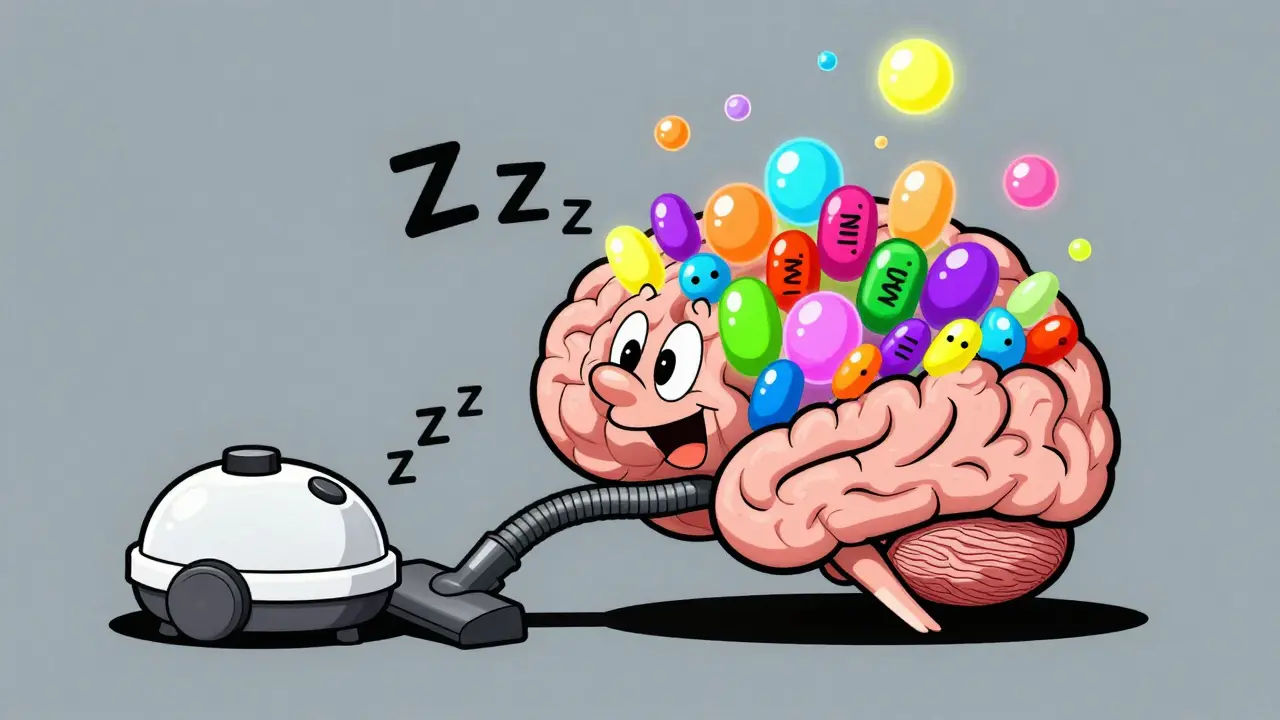
To understand the danger, you first need to know what MAOIs actually do. These drugs, such as phenelzine (Nardil) or tranylcypromine (Parnate), stop an enzyme called monoamine oxidase from breaking down neurotransmitters like serotonin, dopamine, and norepinephrine. Think of the enzyme as a vacuum cleaner that keeps your brain's chemical levels in check. When the vacuum is turned off, those chemicals build up.
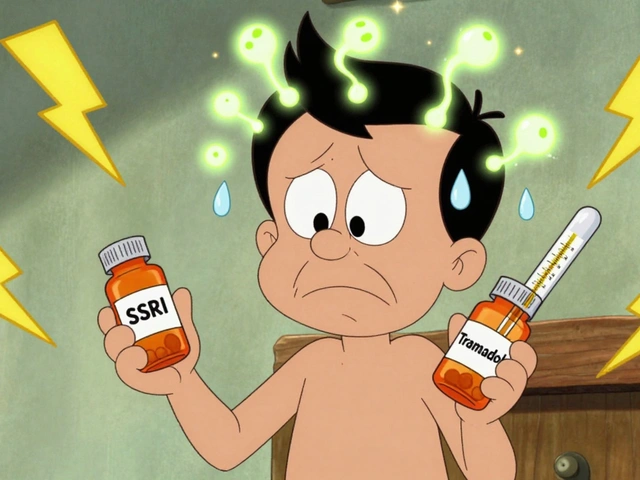
Now, enter certain opioid side effects and mechanisms. Some opioids don't just block pain; they also keep serotonin from being reabsorbed or actually force more of it into the system. When you combine a drug that stops the "vacuum cleaner" (the MAOI) with a drug that dumps more chemicals into the room (the opioid), your brain is suddenly flooded with serotonin. This leads to a condition called Serotonin Syndrome, where the body essentially overheats and malfunctions.
The "Danger List": Which opioids are the worst?
Not all opioids carry the same level of risk, but several are strictly contraindicated. The U.S. FDA maintains a black box warning for these because the history of fatalities is well-documented. For instance, meperidine (Demerol) is considered the most dangerous; research shows it can spike serotonin levels by 300% to 500% in under an hour.
Tramadol is another major culprit. Because it's often marketed as a "safer" or "non-narcotic" option, some doctors mistakenly prescribe it to patients on antidepressants. However, it's one of the most frequent causes of serotonin syndrome in MAOI users. Methadone also carries a moderate-to-high risk due to how it interacts with serotonin reuptake.
| Opioid Entity | Risk Level | Primary Danger |
|---|---|---|
| Meperidine (Demerol) | Extreme | Fatal Hyperpyrexia / Coma |
| Tramadol | High | Serotonin Syndrome / Seizures |
| Methadone | Moderate-High | Serotonergic Overload |
| Oxycodone / Morphine | Lower (but significant) | Indirect Serotonergic Effects |
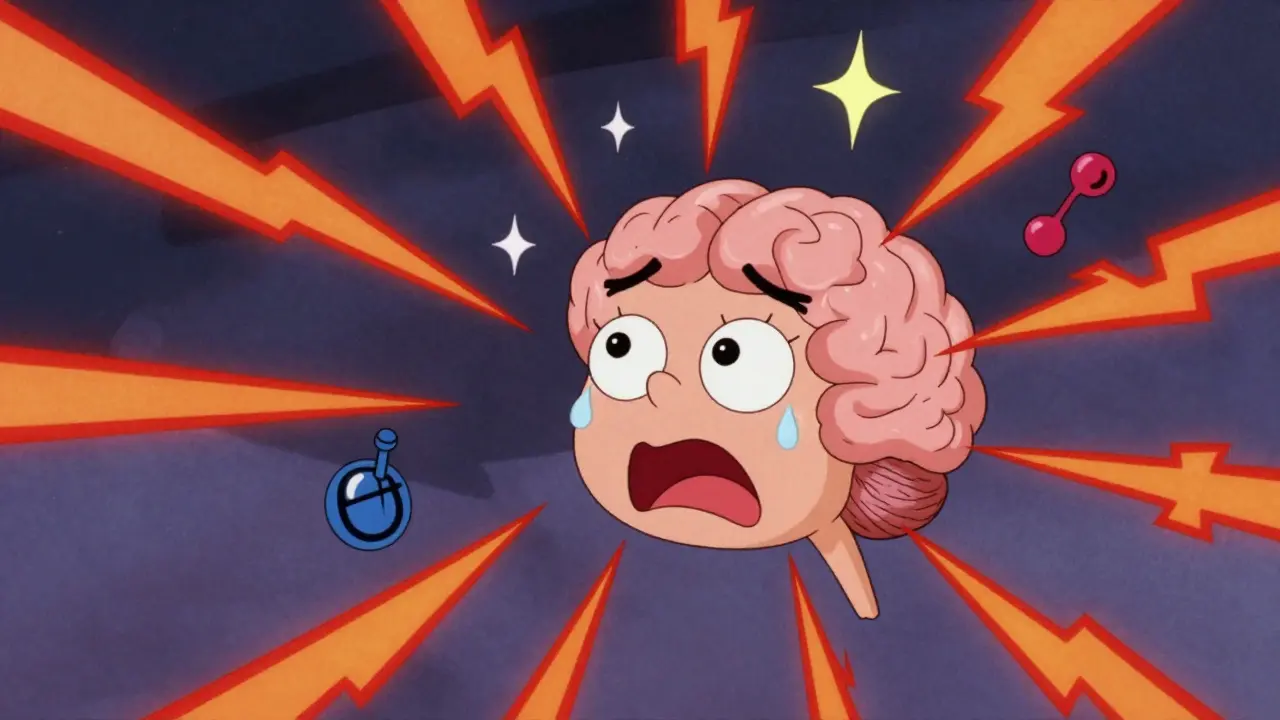
Recognizing a Crisis: Serotonin Syndrome and Hypertensive Crisis
If a mistake happens, the symptoms usually hit fast-often within 1 to 2 hours. You aren't just looking for a "bad feeling." You're looking for systemic failure. One person reported on a mental health forum that they hit a core temperature of 107.1°F and experienced muscle rigidity so severe they couldn't breathe. That is the reality of a severe reaction.
Common warning signs include:
- Mental State: Extreme agitation, confusion, or hallucinations.
- Physical Reactions: Shivering, heavy sweating, and "clonus" (involuntary muscle contractions).
- Vital Signs: Rapid heart rate, skyrocketing blood pressure (hypertensive crisis), and high fever.
In clinical settings, this can escalate to seizures and coma. Doctors often have to use cooling blankets and specific drugs like cyproheptadine to reverse the effects, but by then, the patient is usually in the ICU.
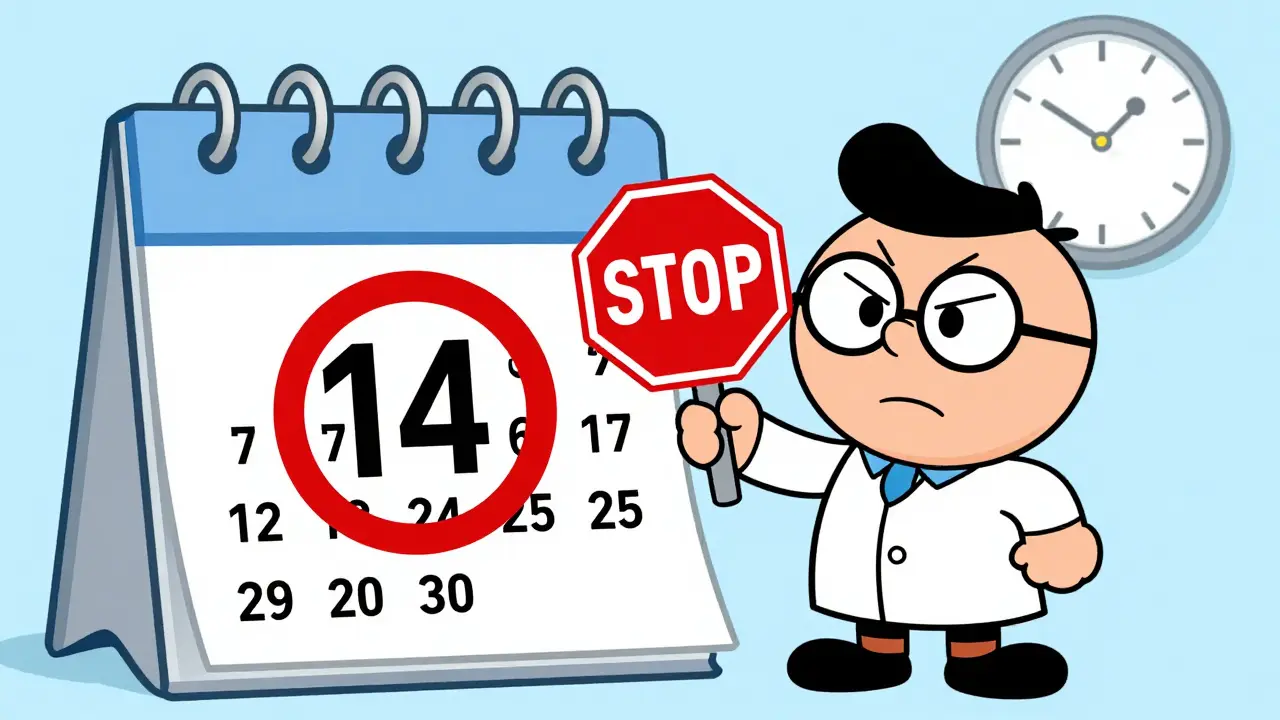
The 14-Day Rule: Why you can't just stop the pill
One of the biggest mistakes people make is thinking they can just stop taking their MAOI for a day and then take a painkiller. It doesn't work that way. Irreversible MAOIs permanently disable the enzymes in your body. Your body has to physically manufacture *new* enzymes to replace the dead ones. This process takes time.
The gold standard is a 14-day washout period. You must be completely off the irreversible MAOI for two full weeks before taking a serotonergic opioid. If you're using a reversible inhibitor like moclobemide, the window is shorter-usually around 24 hours-but you should still verify this with a pharmacist.
Safer alternatives for pain management
If you are on an MAOI and need pain relief, you have options that won't trigger a chemical crisis. The American Society of Anesthesiologists suggests sticking to non-serotonergic paths. This means avoiding anything that touches the serotonin system.
Safe bets typically include:
- Acetaminophen: Standard Tylenol is generally safe.
- NSAIDs: Ibuprofen or naproxen for inflammation.
- Low-dose Buprenorphine: Some studies suggest that very low doses (0.2-0.4mg) are safe under strict medical supervision.
Always double-check your medication guide. The FDA recently updated guides for all MAOIs to explicitly name the 12 opioids you must avoid. If your doctor doesn't mention these interactions, don't be afraid to ask. Unfortunately, data shows that over 60% of these dangerous prescribing errors come from primary care physicians who may not be as familiar with the depths of psychiatric pharmacology.
Can I take OTC cough medicine if I'm on an MAOI?
Be very careful. Many over-the-counter cough syrups contain dextromethorphan, which is a serotonergic drug. Combining this with an MAOI can trigger serotonin syndrome just like tramadol would. Always read the active ingredients list.
What should I do if I accidentally took both?
Seek emergency medical attention immediately. This is a medical emergency. Tell the ER staff exactly which MAOI and which opioid you took and at what time. They will need to monitor your vitals and potentially use benzodiazepines or cooling measures to keep you stable.
Are all MAOIs equally dangerous?
No. Irreversible MAOIs (like phenelzine) are the most risky and require the 14-day washout. Reversible inhibitors (RIMA) and some selective MAO-B inhibitors have a lower risk profile, but you should still treat them with caution and consult your doctor.
Why are MAOIs still used if they are so risky?
They are typically reserved for treatment-resistant depression-cases where SSRIs, SNRIs, and other modern antidepressants have failed. For some patients, they are the only medications that actually work, making the risk-management process necessary.
Is there a way to track these interactions digitally?
Yes, some hospitals are now using tools like SerotoninSafe and integrated EHR (Electronic Health Record) systems that create "hard stops" for pharmacists and doctors, preventing the prescription from being processed if an MAOI is on the patient's chart.
 Albendazole’s Impact on Healthcare: Public Health Wins, Costs, and 2025 Market Reality
 SSRIs and Opioids: Understanding Serotonin Syndrome Risk and How to Prevent It
 How to Buy Cheap Generic Coumadin Online Safely
 Pharmacy Errors with Generics: How to Prevent and Fix Common Mistakes
 Vasculitis: Understanding Autoimmune Inflammation of Blood Vessels