Viral vs Bacterial Infections: What’s the Difference and How It Affects Your Treatment
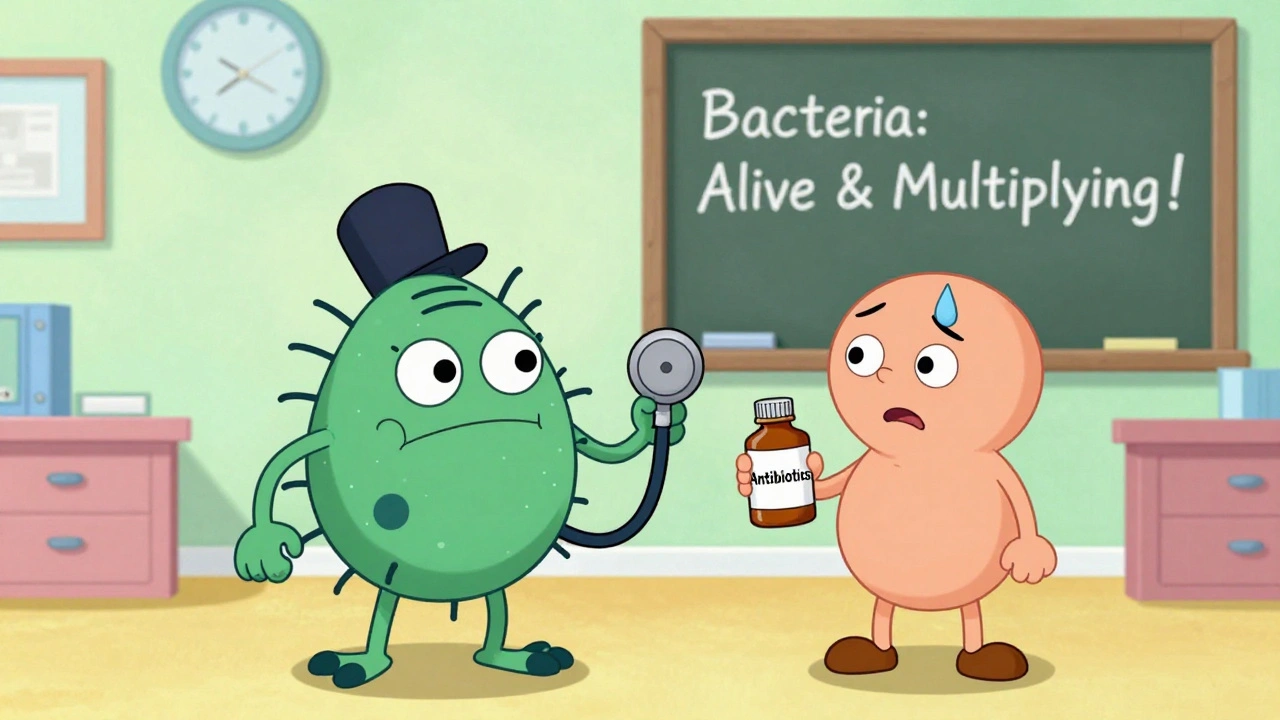
When you’re sick, it’s easy to assume antibiotics will fix it—but they won’t, not if it’s a viral infection, an illness caused by viruses like the flu, common cold, or COVID-19. Also known as viral illness, it runs its course on its own, and your body’s immune system handles it. On the other hand, bacterial infection, a condition caused by harmful bacteria such as strep throat, urinary tract infections, or pneumonia. Also known as bacterial illness, it often needs targeted antibiotics to clear up. Mixing them up isn’t just a mistake—it’s dangerous. Taking antibiotics for a virus doesn’t help you feel better faster. It just increases your risk of side effects and makes future infections harder to treat.
The confusion between viral and bacterial infections leads to millions of unnecessary antibiotic prescriptions every year. Doctors can’t always tell just by looking, which is why they sometimes prescribe antibiotics "just in case." But there are clues: viral infections usually come with a runny nose, cough, sore throat, and mild fever that builds slowly. Bacterial infections often hit harder—high fever, pus, localized pain, or symptoms that get worse after a few days instead of better. If your sinus infection lasts more than 10 days, or your sore throat has white patches and no cough, that’s more likely bacterial. Blood tests or rapid strep tests help confirm it, but most of the time, your doctor will watch and wait.
What you can do right now? Don’t pressure your doctor for antibiotics. Ask: "Is this viral or bacterial?" and "What happens if I don’t take antibiotics?" If it’s viral, focus on rest, fluids, and symptom relief—acetaminophen for fever, saline sprays for congestion, honey for coughs. If it’s bacterial, take the full course of antibiotics exactly as prescribed. Skipping doses or stopping early lets the toughest bacteria survive and multiply, creating superbugs that no drug can touch. This isn’t just about you—it’s about keeping antibiotics effective for everyone.
The posts below cover real cases where people confused these infections, misused meds, or learned the hard way what works—and what doesn’t. You’ll find guides on when antibiotics are actually needed, how to recognize red flags, and how to talk to your pharmacist about safe treatment options. Whether you’re managing a child’s fever, dealing with a stubborn cough, or trying to avoid another round of antibiotics, the info here cuts through the noise and gives you straight answers.