Medication Reaction Emergency Checker
This tool helps determine if your symptoms require an immediate 911 call or can wait for a doctor's appointment. Based on guidelines from the American College of Allergy, Asthma, and Immunology.
Select Symptoms You're Experiencing
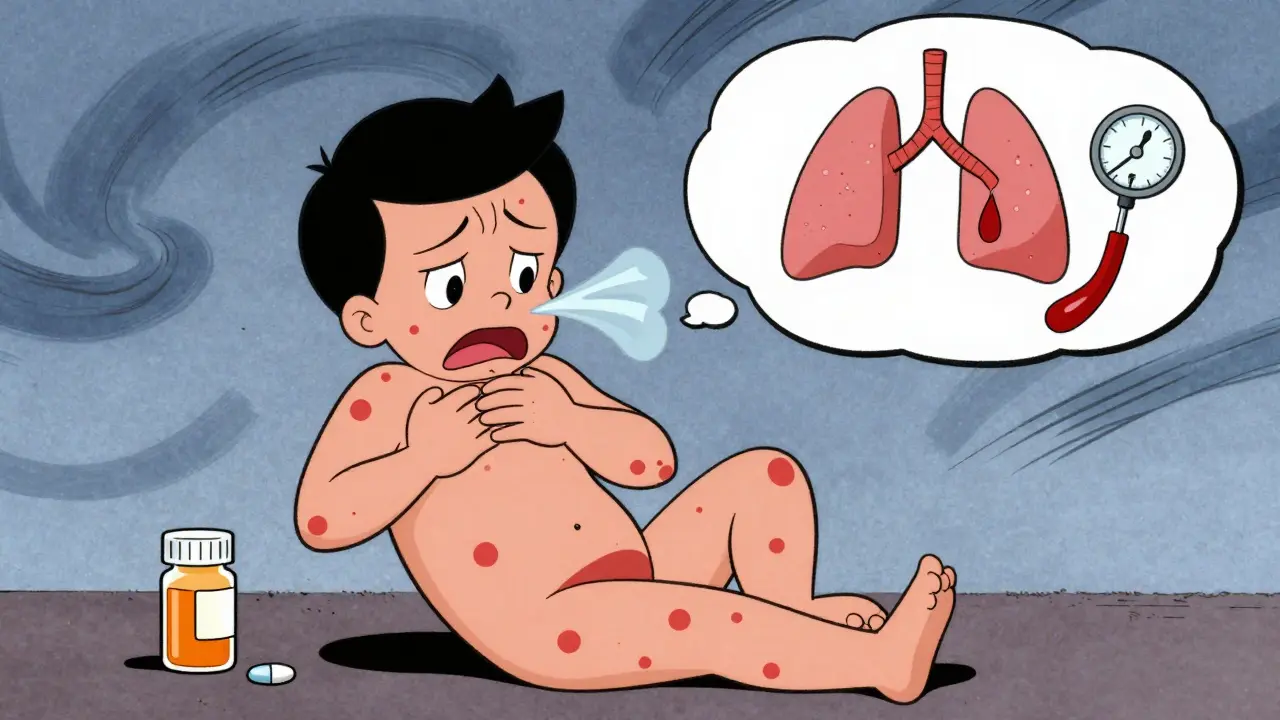
It’s not always clear when a medication reaction is just a nuisance or a life-threatening emergency. You take your pill, and suddenly your skin itches. Maybe your stomach churns. Or your throat feels tight. What do you do? Call 911? Or wait to see your doctor tomorrow? The difference between those two choices can mean the difference between life and death.
Not all reactions are the same
Medications can cause all kinds of side effects. Some are mild-drowsiness, a dry mouth, a little nausea. These are common and usually don’t need urgent care. But then there are reactions that involve your immune system. These are allergies. And they can turn dangerous in minutes.The key is knowing which symptoms go together. A rash by itself? Probably not an emergency. But a rash plus vomiting? That’s a red flag. According to the American College of Allergy, Asthma, and Immunology, when skin symptoms like hives or swelling appear with problems in another body system-like your stomach, lungs, or heart-it’s far more likely to be a true allergic reaction than just a side effect.
Call 911 immediately if you have any of these symptoms
If you or someone else experiences any of the following after taking a medication, don’t wait. Don’t text your doctor. Don’t Google it. Call 911 right now.- Difficulty breathing, wheezing, or a high-pitched squeaky sound when you breathe (called stridor)
- Swelling of the tongue, lips, or throat
- Feeling like your throat is closing up
- Weak, fast pulse or a sudden drop in blood pressure
- Dizziness, lightheadedness, or fainting
- Vomiting or diarrhea along with hives or swelling
- Loss of consciousness
- Seizures
These are signs of anaphylaxis-a severe, whole-body allergic reaction. It doesn’t always happen right away. Sometimes it starts within minutes. Other times, it creeps in over an hour. But once it starts, it can get worse fast. The Mayo Clinic says symptoms like tightening of the airway, nausea, dizziness, and low blood pressure together are classic signs of anaphylaxis from a drug reaction.
Regional Hospital experts say: if you have hives, wheezing, and trouble breathing after taking a medication, call 911 immediately. That’s not a suggestion. That’s the rule.
What if you have an epinephrine auto-injector?
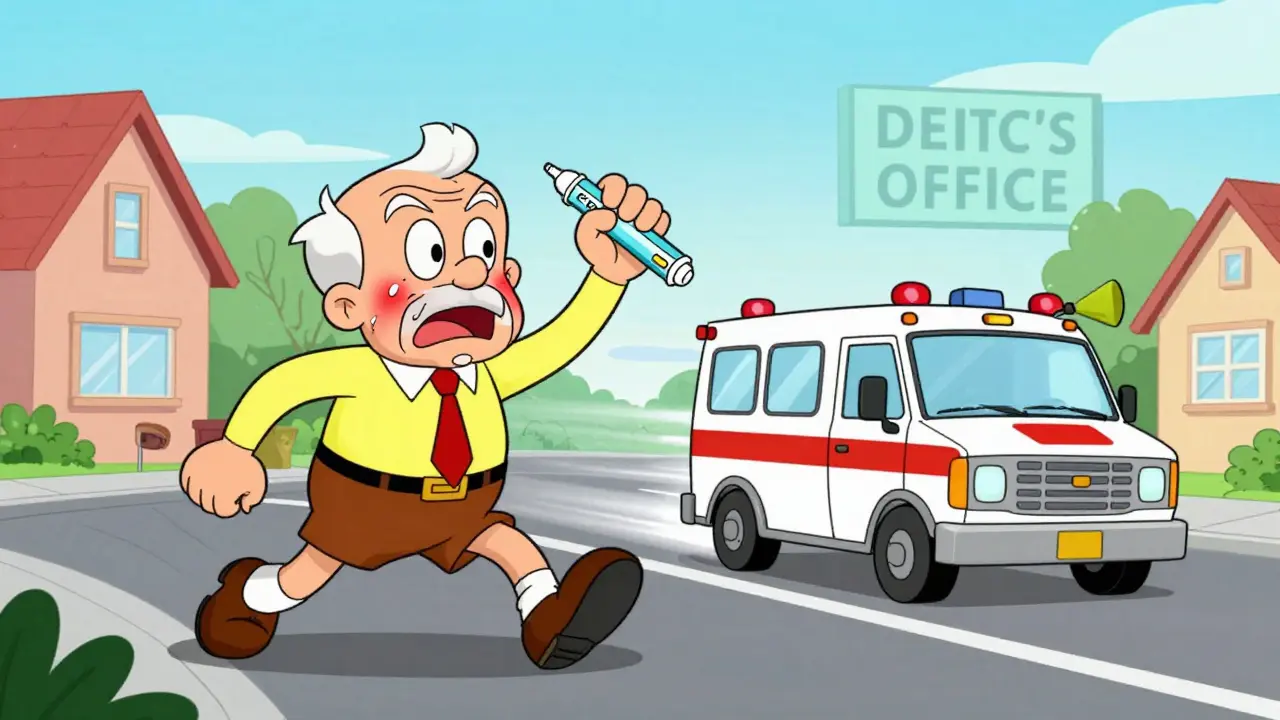
If you’ve been prescribed an EpiPen or similar device because you’ve had a serious reaction before, use it at the first sign of trouble. Don’t wait to see if it gets worse. Don’t hope it’s just a rash.Epinephrine is safe. Even if you’re elderly or have heart problems, the risk of not using it is far greater than the risk of using it. The Food Allergy Research & Education organization says: “When in doubt, use it.”
But here’s the catch: using epinephrine doesn’t mean you’re safe. One dose might not be enough. Symptoms can come back hours later. That’s why you still need to call 911-even if you feel better after the shot. Ambulances carry more epinephrine and can monitor you on the way to the hospital. Emergency rooms are equipped to handle delayed reactions. Your doctor’s office isn’t.
When it’s okay to call your doctor instead
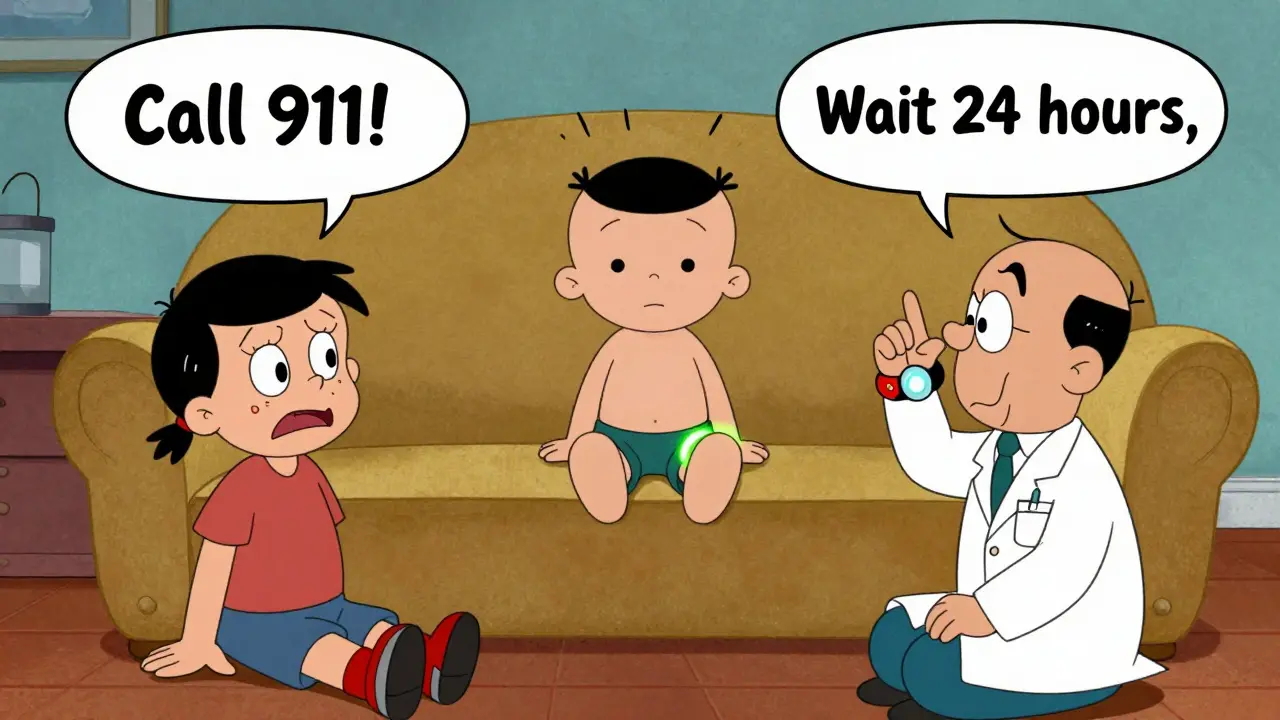
Not every weird feeling after a pill means you need an ambulance. If you have a simple rash-just red, itchy patches on your skin-with no other symptoms, you can usually wait to contact your doctor within 24 hours.Same goes for:
- Itching without swelling or hives
- Mild nausea or upset stomach
- Headache or drowsiness
- Minor diarrhea with no other signs
These are common side effects, not allergies. You can call your doctor’s office, visit an urgent care center, or even message your pharmacist. But if you’re unsure? Err on the side of caution. Better to call 911 and find out it was nothing than to wait and regret it later.
Why timing matters more than you think
Anaphylaxis doesn’t give you time to think. CPR Seattle warns that breathing problems can turn into complete airway blockage within minutes. The Red Cross says: if someone needs immediate emergency treatment, call 911. If you’re not sure? Call anyway.Half of all fatal anaphylaxis cases happen because epinephrine was given too late. People wait. They think it’ll pass. They call their doctor first. By the time they get to the hospital, it’s too late.
Dr. Mathai from Regional Hospital puts it plainly: “If you aren’t sure if symptoms are severe enough to warrant a 911 call, then you should err on the side of caution and assume that they will be worsening quickly. Make the phone call before the symptoms become life-threatening.”
What happens after you call 911
When you call, tell the dispatcher you’re having a possible drug allergy reaction. Say you’ve used epinephrine if you did. Ask for an ambulance with epinephrine on board. They’ll know what that means.Paramedics will check your vital signs, give you oxygen if needed, and may give more epinephrine. They’ll transport you to the ER. Even if you feel fine after the first shot, you’ll likely need to stay for observation for several hours. Delayed reactions are real. They happen.
At the hospital, doctors will run tests to confirm the trigger. You’ll get a list of medications to avoid. You may be referred to an allergist for further testing. You’ll probably be given a new epinephrine auto-injector and told to carry it everywhere.
What to do after the emergency
Once you’ve been treated, you need to take action to prevent this from happening again.- Get a medical alert bracelet or necklace that lists your drug allergy
- Keep a written list of all medications you’re allergic to and share it with every doctor you see
- Ask your pharmacist to flag your file
- Teach family members or roommates how to use an epinephrine auto-injector
Medication reactions are more common than you think. The FDA recorded over 1.8 million reports of adverse drug reactions in 2022. Experts believe that’s just a fraction of what’s really happening. Antibiotics, painkillers, and chemotherapy drugs are among the most common triggers.
But here’s the good news: if you know the signs, you can act fast. And acting fast saves lives.
Don’t guess. Know the signs.
You don’t need to be a doctor to tell the difference between a side effect and a medical emergency. Look for combinations. Skin + breathing problems? Call 911. Skin + stomach problems? Call 911. Just skin? Call your doctor.When in doubt, call 911. It’s not overreacting. It’s being smart.
Can a medication reaction happen hours after taking the pill?
Yes. While many severe reactions happen within an hour, some can take hours or even days to show up. For example, a condition called DRESS syndrome can develop 2-6 weeks after starting a new medication. That’s why doctors tell you to watch for new symptoms even after you’ve been on a drug for a while. If you develop a rash, fever, or swollen lymph nodes days after starting a new medicine, contact your doctor right away.
Is it safe to use someone else’s epinephrine auto-injector?
Yes. If someone is having a severe allergic reaction and you have an epinephrine auto-injector-even if it’s not prescribed to them-you should use it. Epinephrine is not a controlled substance, and the risk of giving it to someone who doesn’t need it is extremely low. The danger is not giving it when they do. Many emergency responders carry extra doses for this exact reason.
Can you have a reaction to a medication you’ve taken before without problems?
Absolutely. Your immune system can change at any time. You might take penicillin five times without issue, then have a severe reaction on the sixth. That’s why doctors always ask if you’ve had reactions before-even if you think you haven’t. Never assume you’re safe just because you’ve taken a drug before.
Should I go to urgent care instead of the ER for a mild reaction?
Only if it’s truly isolated-like a simple rash or itching with no breathing, swallowing, or dizziness issues. If you have vomiting, swelling, or trouble breathing, even if it seems mild, go to the ER. Urgent care centers don’t have the equipment or staff trained to handle anaphylaxis. The ER does. And if your condition worsens on the way, you’ll need emergency care anyway.
Do I need to avoid all medications in the same class if I’m allergic to one?
Not always, but often. If you’re allergic to one penicillin, you’re likely allergic to others in that family. But allergies to one type of painkiller don’t always mean you can’t take others. For example, being allergic to ibuprofen doesn’t automatically mean you’re allergic to acetaminophen. Always talk to an allergist before assuming you can’t take a whole group of drugs. Testing can help clarify what’s safe.
Can children have medication allergies too?
Yes. Children can develop allergic reactions to antibiotics, vaccines, or even over-the-counter medicines like ibuprofen. Symptoms in kids may look different-they might cry more, become unusually sleepy, or refuse to eat. Swelling around the face or lips is a red flag. If you suspect a reaction in a child, don’t wait. Call 911 if there’s any sign of breathing trouble, swelling, or collapse.
What if I’m not sure whether it’s a medication reaction at all?
If you recently started a new medicine and then developed symptoms, it’s reasonable to suspect the drug-even if you’re not sure. Other causes like infections or environmental allergies can mimic drug reactions. But if you’re unsure and the symptoms are unusual or worsening, treat it like a drug reaction. Call 911 if there’s any breathing trouble, swelling, or dizziness. It’s better to be wrong than to miss a life-threatening reaction.
 Medicaid Substitution Rules: Mandatory vs Optional State Policies
 Cognitive Biases: How Your Beliefs Shape What You Say and Do
 Nephrotic Syndrome: Understanding Heavy Proteinuria, Swelling, and Real Treatment Options
 Psychosis Early Warning Signs: A Guide to Coordinated Specialty Care
 How to Handle Insurance Requirements for Generic Substitution
Alfred Schmidt
January 11, 2026 AT 21:48OMG, I just took amoxicillin yesterday and my hand started itching-THANK YOU for this post!!! I was about to wait till morning like a dumbass. I called 911 right away. They gave me benadryl and steroids, and turns out it WAS anaphylaxis. I didn’t even know I was allergic!!!
Sam Davies
January 12, 2026 AT 14:56Oh, so now we’re treating every minor rash like it’s the apocalypse? Brilliant. I’m sure the ER staff appreciate the 47th ‘possible drug reaction’ call this week. Meanwhile, my actual heart attack neighbor? Still waiting for an ambulance. Priorities, people.
Christian Basel
January 13, 2026 AT 12:17Per the FDA Adverse Event Reporting System (FAERS) dataset, cutaneous manifestations without systemic involvement exhibit a 92% negative predictive value for anaphylaxis. The overutilization of EMS resources due to symptom misattribution is a documented public health burden. Recommend triage via telehealth before activating 911 unless biphasic symptoms emerge.
Alex Smith
January 14, 2026 AT 17:02Let’s be real-most of us don’t know the difference between a side effect and an allergy until we almost die. I thought hives were just ‘bad acne from stress’ until I couldn’t breathe. Now I carry two EpiPens, teach my coworkers how to use them, and even made a cheat sheet for my mom. If this saves one person from Googling ‘is my throat closing’ at 2 a.m.? Worth it.
Also-yes, you can use someone else’s EpiPen. I’ve seen it. My cousin used his dad’s on his niece when she went into shock. No one died. Everyone lived. Stop overthinking. Use it.
Roshan Joy
January 16, 2026 AT 09:59Thanks for this! 🙏 I’m from India and here, people just power through reactions like it’s normal. My cousin took antibiotics and got swelling-waited 3 days. Ended up in ICU. Now I share this with everyone. Even sent it to my uncle who’s on blood pressure meds. He said, ‘I didn’t know itching + dizziness = emergency.’ 😅
Adewumi Gbotemi
January 17, 2026 AT 01:25This is life-saving info. In Nigeria, many think if you don’t collapse, it’s not serious. I showed this to my sister-she was about to ignore her son’s rash after vaccine. Now she knows: if breathing changes, call ambulance. No waiting. No excuses.
Matthew Miller
January 18, 2026 AT 12:31So let me get this straight-you’re telling people to call 911 for a rash? That’s not ‘being smart,’ that’s enabling hypochondria. You’re training a generation to treat every itch like a terrorist attack. The healthcare system is already collapsing. Now we’re adding 100,000 false alarms because someone didn’t read the fine print.
And don’t get me started on EpiPens. They cost $700. Who’s paying for that? You? The government? The kid who can’t afford insulin but now has to carry a $700 panic button? This isn’t safety. It’s performative fear.
Madhav Malhotra
January 19, 2026 AT 12:00Love this post! I’m from India and we don’t talk enough about drug allergies. My aunt had a reaction to a painkiller 10 years ago-no one knew what happened. Now she carries a card. I told my cousin to do the same after he got hives from ibuprofen. He thought it was just ‘bad luck.’ Now he knows it’s biology. Thanks for the clarity!