Pharmacist Prescribing Authority: What They Can and Can't Do
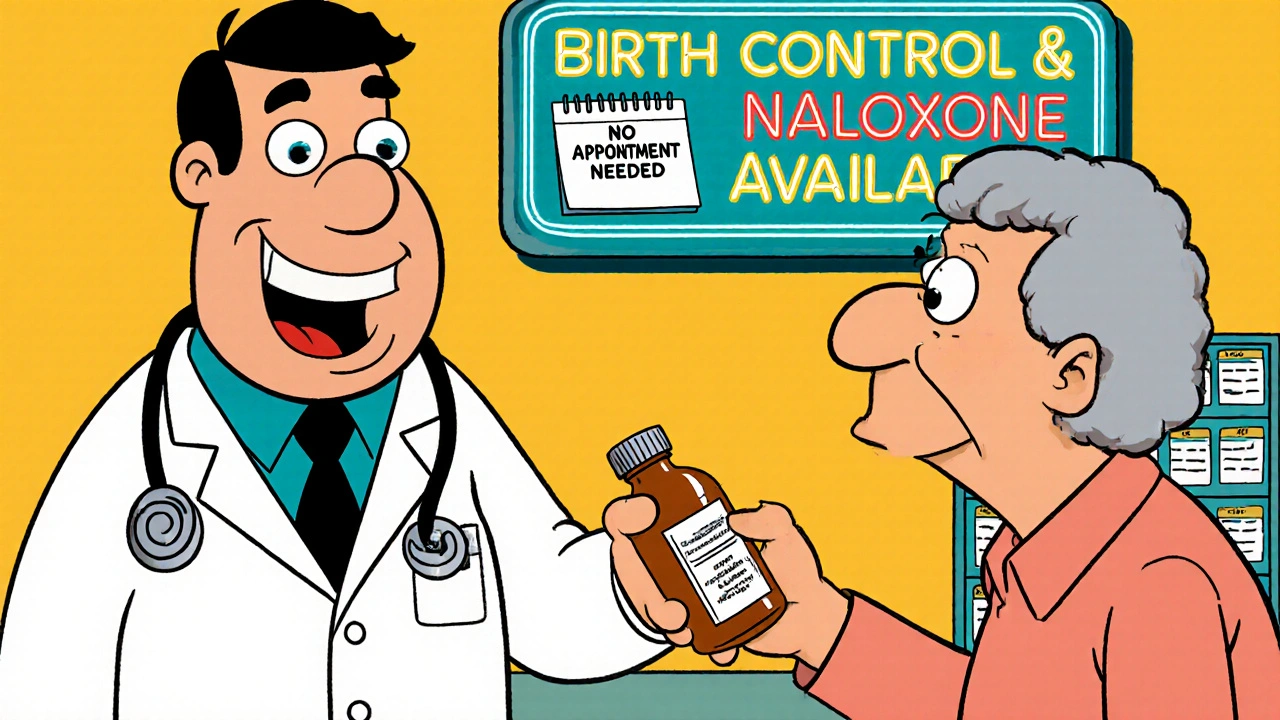
When you think of a pharmacist prescribing authority, the legal power a pharmacist has to prescribe certain medications without a doctor’s note. Also known as advanced practice pharmacist privileges, it’s not about replacing doctors—it’s about filling gaps in care where access is limited. In many states and countries, pharmacists can now write prescriptions for birth control, smoking cessation aids, travel vaccines, and even some antibiotics for common infections like strep throat or urinary tract infections. This shift isn’t just paperwork—it’s about getting people the right medicine faster, especially in rural areas or when clinics are closed.
But this power doesn’t come out of nowhere. It’s built on years of training. Pharmacists with prescribing authority typically complete extra certification in clinical pharmacotherapy, pass state-specific exams, and work under formal protocols. They don’t just hand out pills—they assess symptoms, check for drug interactions, review your full medication history, and decide if a prescription is safe and needed. Think of them as the final safety check before a drug hits your medicine cabinet. This is especially important with medication management, the process of tracking and optimizing all the drugs a patient takes to avoid harmful overlaps or missing treatments. A pharmacist with prescribing authority can spot a duplicate therapy, fix a dosage error, or switch you to a cheaper generic before you even get to the pharmacy counter.
It’s not the same everywhere. In some places, pharmacists can prescribe independently. In others, they need a collaborative agreement with a physician. And while they can prescribe for minor, well-defined conditions, they still can’t write for controlled substances like opioids or stimulants in most jurisdictions. The real win? Patients get care when they need it—no waiting for a doctor’s appointment, no missed doses because the clinic was closed on Sunday. This is why clinical decision-making, the process of choosing the best treatment based on evidence, patient history, and risk factors is now part of standard pharmacy training. It’s not just about counting pills anymore—it’s about knowing when to say yes, when to say no, and when to refer.
What you’ll find in the posts below are real-world examples of how this plays out: how pharmacists help people switch from brand-name drugs to generics safely, how they manage complex medication regimens for seniors, and how they step in when access to doctors is limited. You’ll see how tools like app-based prescribing and auto-refill alerts are changing the game. This isn’t theory—it’s happening in pharmacies right now, and it’s making a difference in how people stay healthy.