
Imagine waking up one day and realizing the world doesn't feel quite right. Maybe the radio seems to be talking directly to you, or you've started feeling a deep, unshakable suspicion that people are plotting against you. For many, these experiences aren't just "bad days"-they are the first signs of Psychosis is a mental state where a person loses some contact with reality, often involving hallucinations, delusions, and disorganized thinking. It's a terrifying experience, not just for the person going through it, but for their family too. However, the most important thing to know right now is that psychosis is treatable, and catching it early can completely change the trajectory of someone's life.
Quick Takeaways for Families and Caregivers
- Psychosis is a symptom, not a standalone diagnosis; it can be linked to schizophrenia, bipolar disorder, or severe stress.
- Early warning signs often appear as social withdrawal, a drop in grades/work performance, and unusual beliefs.
- The "golden hour" for the best outcome is getting a professional assessment within 72 hours of the first episode.
- Coordinated Specialty Care (CSC) is the gold standard treatment, combining therapy, medication, and social support.
- Early intervention can improve long-term recovery outcomes by up to 60% compared to traditional care.
Spotting the First Red Flags
Psychosis doesn't usually hit like a lightning bolt. More often, it's a slow slide. You might notice a teenager suddenly stopping their hobbies or a young adult failing classes they used to ace. According to data from the National Alliance on Mental Illness, about 85% of people in early psychosis report trouble thinking clearly or concentrating, and 71% spend significantly more time alone than they used to.
These red flags generally fall into four buckets:
- Perception Changes: Hearing things others don't (hallucinations) or seeing things that aren't there. Sometimes it's more subtle, like a heightened sensitivity to lights or sounds.
- Thought Patterns: Developing "ideas of reference," where a person believes a random news report or a song on the radio contains a secret message specifically for them.
- Emotional Shifts: Sudden irritability, intense anxiety, or "flat affect," where someone seems unable to express joy or emotion.
- Behavioral Drops: A noticeable decline in personal hygiene (like stopping showering) or severe sleep disturbances.
The tricky part is that in the very beginning, some people actually realize their experiences aren't real. They might ask, "Does that voice sound real to you?" This is a critical window for intervention before they lose the ability to distinguish hallucination from reality.
What is Coordinated Specialty Care?
When someone hits a crisis point, the old way of doing things was to put them in a hospital, give them medication, and send them home. We now know that's not enough. Coordinated Specialty Care (CSC) is a team-based, comprehensive treatment model designed specifically for first-episode psychosis that addresses the whole person, not just the symptoms.
Think of CSC as a wrap-around service. Instead of seeing a psychiatrist once a month and a therapist once a week in different buildings, the person gets a dedicated team. This approach was popularized by the RAISE initiative, which proved that people in these programs have much better functional outcomes than those receiving standard care.
| Feature | Standard Treatment | CSC Model |
|---|---|---|
| Approach | Symptom-focused (Medication) | Holistic (Team-based) |
| Family Involvement | Occasional/As needed | Structured psychoeducation (6+ months) |
| Employment/School | Patient's responsibility | Supported vocational rehabilitation |
| Recovery Rate | Baseline | Up to 60% improvement in outcomes |
| Hospitalization | Higher risk of relapse | 45% reduction in hospital rates |

The Five Pillars of the CSC Model
For a program to be considered a true CSC model, it typically needs to integrate five specific components. If you're looking for help, these are the things you should ask the clinic if they provide.
- Case Management: This isn't just paperwork. It involves active community support and frequent check-ins to ensure the person doesn't fall through the cracks.
- Family Education: Psychosis is a family trauma. CSC provides structured sessions for parents and partners to learn how to support their loved one without enabling the illness or causing more stress.
- Individual Psychotherapy: This usually takes the form of Cognitive Behavioral Therapy for psychosis (CBTp), which helps patients manage their hallucinations and develop coping strategies.
- Supported Employment and Education: The goal isn't just "stability"-it's a life. CSC helps people get back to work or school quickly, often within three months of starting the program.
- Medication Management: Using Antipsychotics is common, but in CSC, these are typically started at lower doses and carefully titrated to minimize side effects while maximizing benefit.
Why Every Day Counts: The Danger of Delay
In the medical world, we talk about the "golden hour" for heart attacks. Psychosis has a similar urgency. The duration of untreated psychosis (DUP) is a major predictor of how well someone will recover. When symptoms go untreated for months or years, the brain's plasticity decreases and the social damage (lost jobs, broken friendships) piles up.
Research shows that every additional month a person goes without treatment can increase their eventual recovery time by 5-7%. In the US, the average delay is about 74 weeks-which is far too long. Reducing this gap is why screening tools like the 16-item Prodromal Questionnaire (PQ-16) are being used in schools and primary care offices. If someone scores an 8 or higher on that test, it's a signal to get a professional assessment immediately.
Navigating the Path to Help
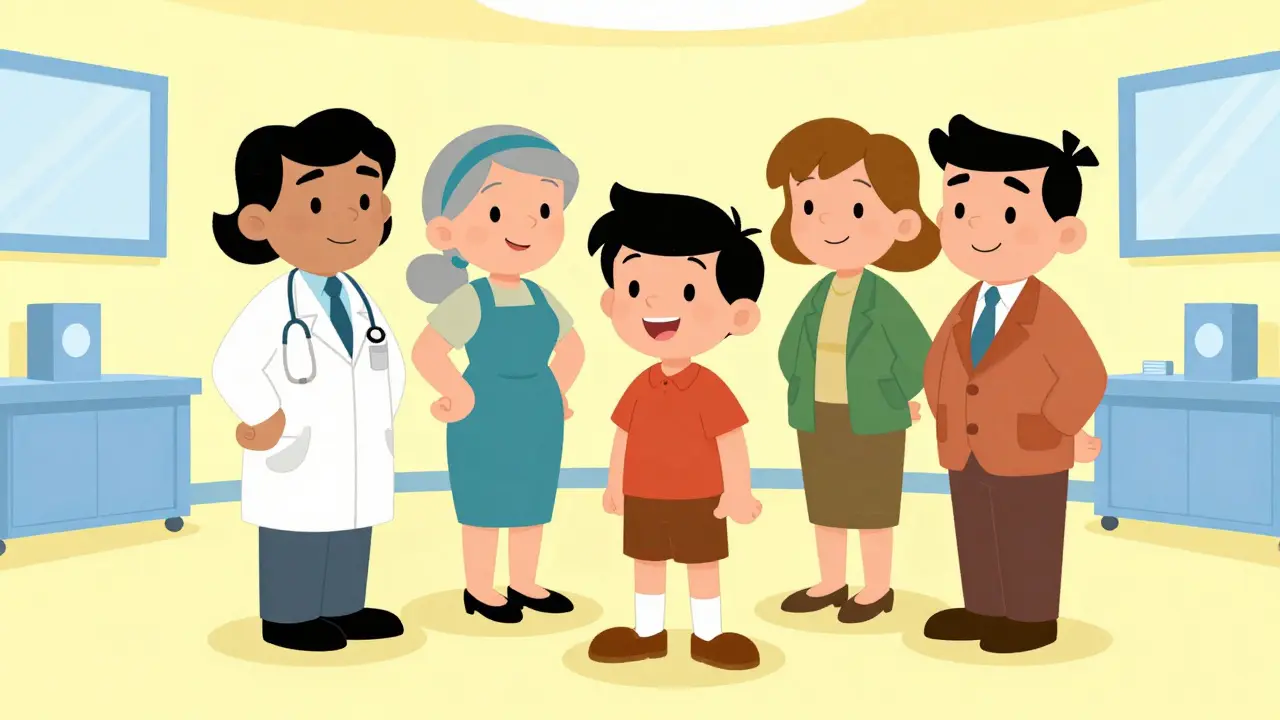
If you suspect a loved one is experiencing psychosis, the first step is a comprehensive assessment. Don't wait for a full "breakdown." If you see the signs-social withdrawal, suspiciousness, or confused speech-reach out to a mental health professional.
Ask specifically for a "First Episode Psychosis" clinic or a "CSC program." If those aren't available in your area, look for teams that offer "integrated care." In many regions, Medicaid and other insurance providers are now required to cover these specialized services because they save money in the long run by preventing expensive emergency room visits and long-term hospitalizations.
Can psychosis be caused by something other than a mental illness?
Yes. While often linked to conditions like schizophrenia or bipolar disorder, psychosis can be triggered by severe stress, extreme sleep deprivation, certain medical conditions (like brain tumors or infections), or substance use and withdrawal.
Is medication the only way to treat psychosis?
No, though it is a core pillar. Coordinated Specialty Care emphasizes that medication works best when paired with CBTp, family support, and vocational help. The goal is functional recovery, meaning the person can return to their normal life, not just have their symptoms disappear.
What should I do if my loved one denies they are experiencing hallucinations?
This is common and is called "anosognosia" (lack of insight). Avoid arguing about whether the hallucinations are real. Instead, focus on the symptoms you can see, like their lack of sleep or their struggle to concentrate, and express your concern for their well-being.
How long does a typical CSC program last?
Most programs provide intensive support for the first 2 years following the first episode. This includes a high frequency of therapy and case management sessions that gradually taper off as the person stabilizes and returns to school or work.
Are there screening tools I can use at home?
While tools like the PQ-16 are used by clinicians, you shouldn't self-diagnose. If you notice a cluster of changes in perception, mood, and social behavior, the best "tool" is a prompt appointment with a psychiatrist or licensed psychologist.
Next Steps and Troubleshooting
If you are in a rural area, finding a certified CSC program can be tougher, as they are more concentrated in urban centers. In this case, look into telepsychiatry options. Many clinics now use mobile apps for symptom monitoring and virtual visits to bridge the gap.
For those dealing with a current crisis, remember that the first 72 hours are critical. If the person is a danger to themselves or others, a hospital is the immediate priority, but ensure that the hospital has a referral path to a CSC program for the follow-up care. Recovery is not just about stopping the crisis; it's about building a bridge back to a meaningful life.
 Buy Cheap Generic Cymbalta Online - Safe Guide & Price Comparison
 Hydration Plans to Protect Kidneys from Nephrotoxic Medications
 Get Your Tadalista Prescription Online - Simple, Fast and Secure
 App-Based Prescribing: Best Platforms for Getting Generic Medications in 2025
 The Connection Between Ulcers and Gastritis: What's the Real Difference?
Mark Zhang
April 5, 2026 AT 02:29Getting that early intervention is honestly everything. I've seen so many people struggle because they waited too long to get help, and the recovery process becomes so much steeper. It's really great to see the focus on the whole person rather than just the meds.
Rob Newton
April 7, 2026 AT 02:13Medication is usually overrated.
Hudson Nascimento Santos
April 8, 2026 AT 03:41It makes me wonder about the nature of reality itself. If a person sees something that isn't 'there' according to a doctor, who is to say the doctor isn't the one missing a layer of existence? But from a practical standpoint, the social damage mentioned is the real tragedy here. We define sanity by our ability to function in a capitalist machine, which is a strange metric for a human soul.
Brian Shiroma
April 9, 2026 AT 13:19Oh sure, because waiting 74 weeks for treatment is just a totally reasonable standard in our wonderful healthcare system. Truly a masterclass in efficiency.
The Charlotte Moms Blog
April 10, 2026 AT 20:42This is just... too simplified!!! Where is the actual data on long-term relapse rates beyond the two-year mark??? These 'gold standards' are usually just marketing for clinics to get more funding!!! I've seen these programs fail miserably when the support is pulled!!!
simran kaur
April 11, 2026 AT 03:31Funny how they mention 'secret messages' in the radio. Maybe some of those messages are actually true and the medical establishment just wants to label it as a 'delusion' to keep us compliant. They always push these 'integrated care' models to make sure the state has a direct line to your brain. It's obviously just a way to monitor the population under the guise of healthcare. I'm not saying everything is a plot, but the timing of these 'screening tools' in schools is way too convenient for the government's taste.
sophia alex
April 11, 2026 AT 21:00Imagine living in a place where you can't even find a basic CSC clinic 🙄 Only in America do we have the best tech but the absolute worst access to actual care. It's honestly embarrassing and pathetic. I can't even deal with this right now 💅✨
Rachelle Z
April 13, 2026 AT 19:27Everyone just needs to breathe and find some common ground here!!! 🌸💖 Although, the idea that we can just 'titrate' our way to a perfect life is just so precious!!! 🙄✨
HARSH GUSANI
April 15, 2026 AT 02:45This is all western talk. In India we have our own ways of dealing with the mind 🇮🇳 we don't need these expensive clinics that only help the rich. The simple life is better for the soul anyway! 🚩
Jenna Carpenter
April 15, 2026 AT 17:03People just don't have enough spiritul discipline these days. If you lapped your energy with meditation you wouldnt need these drugs. Most of these 'breaks' are just lack of inner alignment honestly.
Dipankar Das
April 17, 2026 AT 13:21You must act now with absolute urgency to secure these services for your family! There is no room for hesitation when a life is at stake. You must demand the highest standard of care from your providers immediately! Do not allow them to give you mediocre treatment! Victory over this illness is possible if you fight for it with everything you have!
Hope Azzaratta-Rubyhawk
April 17, 2026 AT 13:34It is imperative that we stop normalizing the delay in treatment. The fact that 74 weeks is an average is a systemic failure and it is absolutely unacceptable. We must hold these institutions accountable for the lives they are effectively discarding through negligence. Proper care is a right, not a privilege for those in urban centers. We need to be aggressive in demanding these services be expanded to every single rural zip code immediately.